


Root Canals Don’t Have to Hurt: The Right Care and Modern Tools Make the Difference
July 11, 2026
The Real Cost and Timeline for Permanent Dental Implants in Newport Beach
July 15, 2026
A chipped molar from biting down on ice, a tooth weakened by years of grinding, a front tooth discolored beyond what whitening can fix—these scenarios send thousands of patients into dental chairs every year, weighing their options. Modern crowns for teeth have evolved far beyond the bulky metal caps of decades past, offering materials that blend seamlessly with natural enamel and procedures that can be completed in a single appointment. Understanding what today’s crown technology offers—and how it aligns with your specific dental needs—helps you make confident decisions about restoring both function and aesthetics.
From zirconia’s durability to same-day CEREC systems, the landscape of dental restoration has shifted dramatically. This guide walks through when crowns become necessary, how different materials perform in real-world conditions, what you’ll actually pay in Orange County, and what the dental crown procedure looks like from consultation to final placement.
Recognizing the Right Time for a Crown and What the Procedure Involves
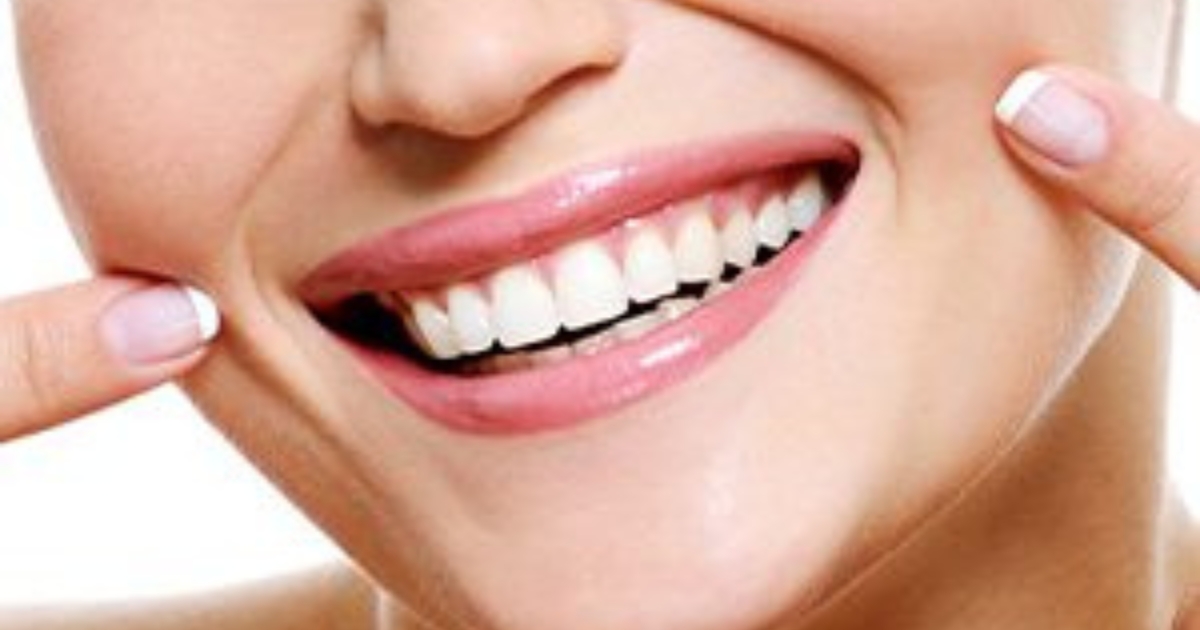
When do you need a dental crown? It depends on the extent of tooth damage and whether less invasive treatments can provide adequate structural support. Severe decay that has compromised more than half of a tooth’s structure requires full coverage to prevent fracture. Teeth that have undergone root canal therapy lose their blood supply and become brittle, making them prone to splitting under normal chewing forces—a crown reinforces the entire tooth. Large cracks that extend below the gum line or involve cusps need stabilization that only a cap can provide. Cosmetic cases involving severe discoloration or misshapen teeth that veneers can’t address also require full coverage.
Traditional Two-Visit Crown Process
The traditional dental crown procedure spans two visits over 2–3 weeks. During the first appointment, your dentist numbs the area, removes decay, and reshapes the tooth into a tapered post that will support the restoration. Impressions go to a lab, and you leave with a temporary acrylic crown. The second visit involves removing the temporary, checking the fit and color of the permanent restoration, and cementing it into place.
Same-Day Crown Technology: CEREC and CAD/CAM Systems
Same-day dental crown technology condenses this timeline into a single 2–3 hour appointment using CAD/CAM systems like CEREC—your tooth is scanned digitally, the crown is milled from a ceramic block in-office, and you walk out with the permanent restoration bonded that day. This technology allows immediate adjustments—if the fit or bite feels off during try-in, the dentist can modify the digital design and mill a new crown within the same visit rather than waiting another week for lab revisions.
Pain during the process is minimal due to local anesthesia, though patients report pressure sensations during tooth preparation. Post-procedure sensitivity to temperature is common for the first few days as the tooth adjusts, particularly if significant decay removal occurred. Over-the-counter pain relievers typically manage any discomfort, and most patients return to normal eating within 24 hours once the anesthesia wears off.
Comparing Crown Materials: Porcelain, Zirconia, and Metal Options for Different Teeth
Understanding the types of dental crowns available helps you make informed decisions about which material best suits your specific tooth position and functional needs. Porcelain-fused-to-metal (PFM) crowns combine a metal substructure with a porcelain outer layer, offering reasonable aesthetics and strength at a moderate cost. The metal base provides durability for molars, but a dark line can appear at the gum line as gums recede. All-porcelain (ceramic) crowns deliver the most lifelike translucency and color matching, blending invisibly with adjacent teeth, making all-porcelain the preferred choice for visible areas. They’re the gold standard for incisors and canines where appearance matters most, though they’re slightly more prone to chipping under heavy bite forces than zirconia.
When comparing porcelain vs zirconia crowns, zirconia stands out for posterior teeth due to its exceptional strength—it can withstand the substantial force molars generate during chewing without fracturing. Gold and metal alloy crowns remain the most durable option, lasting 20+ years, but their metallic appearance limits use to back molars where visibility isn’t a concern. Each material serves distinct needs based on tooth position, bite force, and aesthetic priorities.
- All-Porcelain: Delivers the most natural, translucent appearance, making it nearly indistinguishable from real enamel.
- Zirconia: Extremely durable and resistant to chipping or cracking, even under heavy biting force.
- Porcelain-Fused-to-Metal: Combines strength with a tooth-colored surface, though the metal base can eventually show as a dark line near the gums.
- Gold Alloy: Requires less removal of healthy tooth structure and rarely wears down opposing teeth, but its metallic color makes it unsuitable for visible areas.
- Resin Composite: An affordable short-term solution, though it’s more susceptible to staining and gradual wear over time.
| Material Type | Best Tooth Position | Expected Longevity |
|---|---|---|
| All-Porcelain | Front teeth (incisors, canines) | 10–15 years |
| Zirconia | Molars, premolars | 10–15+ years |
| Porcelain-Fused-to-Metal | Premolars, molars | 5–10 years |
| Gold Alloy | Back molars only | 15–20+ years |
Choosing the Right Material for Your Specific Tooth
Dentists evaluate multiple factors when recommending crown materials for individual teeth. Aesthetic priorities shift the balance—patients who smile widely and show premolars when laughing typically prioritize natural appearance over absolute durability, making all-porcelain or multilayer zirconia appropriate even for posterior teeth. Your dentist will discuss these trade-offs during consultation, often showing samples of each material type to help you visualize the final result and make an informed choice that aligns with both clinical needs and personal preferences.
The Real Cost of Dental Crowns and How Same-Day Technology Changes the Investment
If you’re wondering, “How much do dental crowns cost in Orange County?” expect a range of $1,200–$3,000 per tooth depending on material and technology. All-porcelain and zirconia crowns typically fall in the $1,400–$2,500 range, while porcelain-fused-to-metal options run $1,200–$1,800. Gold crowns can reach $2,000–$3,000 due to precious metal costs. These figures reflect California’s higher cost of living and the expertise required for precise cosmetic work in a competitive market.
Dental insurance with PPO plans generally covers a significant portion of crown costs after you meet your annual deductible, though coverage caps at your plan’s yearly maximum, which varies by policy. If you need multiple restorations, you may hit that ceiling quickly. Practices often offer payment plans or financing through third-party lenders to spread the expense over 12–24 months. Traditional two-visit procedures incur indirect costs—time off work for multiple appointments, temporary crown replacements if they dislodge, and potential delays if lab work needs adjustments.
Same-day systems eliminate many of these hidden expenses. A single appointment means one round of anesthesia, one day of scheduling, and no temporary crown fees. While the per-unit cost may be comparable to lab-fabricated options, the time savings and convenience factor appeal to professionals who can’t afford multiple half-days away from work.
| Crown Type | Orange County Cost Range | Appointment Count |
|---|---|---|
| All-Porcelain (Traditional) | $1,400–$2,500 | 2 visits (2–3 weeks) |
| Zirconia (Traditional) | $1,500–$2,800 | 2 visits (2–3 weeks) |
| CEREC Same-Day | $1,400–$2,600 | 1 visit (2–3 hours) |
| Porcelain-Fused-to-Metal | $1,200–$1,800 | 2 visits (2–3 weeks) |
Crown Your Smile with Precision and Care at Newport Beach Smile Studio
Modern dental restoration combines artistry with engineering, and choosing the right partner for your crown work makes all the difference in comfort, aesthetics, and longevity. Newport Beach Smile Studio offers the full spectrum of crown options—from same-day CEREC restorations to custom lab-crafted porcelain and zirconia—tailored to your specific tooth position, bite dynamics, and cosmetic goals, ensuring each restoration meets both functional and aesthetic standards. Our team walks you through material selection with transparent cost breakdowns and works with your insurance to maximize benefits. Whether you need a single crown or full-mouth rehabilitation, we prioritize precision fit, natural appearance, and a streamlined experience that respects your time. Schedule a consultation today to explore how advanced crown technology can restore both function and confidence to your smile.
FAQs
Common questions about crowns for teeth address longevity, pain levels, material choices, and modern same-day options. These answers help you set realistic expectations for the restoration process.
1. How long do crowns last on average?
Crowns for teeth typically last 10–15 years with proper oral hygiene and regular dental checkups. Longevity varies by material—gold crowns can exceed 20 years, while porcelain-fused-to-metal options may show wear or gum line darkening after 7–10 years. Factors like teeth grinding, heavy bite forces, and cavity development at the crown margin can shorten lifespan.
2. What’s the difference between a tooth cap and a crown?
The tooth cap vs crown question is straightforward—there is no difference, as both terms refer to the same restoration that covers damaged or weakened tooth structure. “Cap” is the older colloquial term, while “crown” is the standard clinical language dentists use today.
3. Is getting a dental crown painful?
The procedure itself is not painful due to local anesthesia that numbs the tooth and surrounding tissue. You may feel pressure during tooth preparation, but no sharp pain. Mild sensitivity to hot or cold is common for a few days after placement as the tooth adjusts to the restoration.
4. Can I get a crown in one day?
Yes, same-day dental crown technology using CAD/CAM systems like CEREC allows dentists to design, mill, and place a permanent crown in a single 2–3 hour appointment. The tooth is digitally scanned, the crown is fabricated from a ceramic block in-office, and you leave with the final restoration bonded that day—no temporaries or second visit required.
5. Which is better: porcelain or zirconia crowns?
The answer depends on tooth position and priorities. All-porcelain crowns offer superior aesthetics for front teeth due to their translucency and natural color blending, making them ideal when appearance matters most. Zirconia crowns provide greater strength and fracture resistance for molars that endure heavy chewing forces, though they’re slightly less natural-looking—newer multilayer zirconia narrows that gap.


