What to Do When a Tooth Chips: Practical Steps for Fast Relief and Repair
January 3, 2026
When Can You Drink After Wisdom Teeth Removal Safely and What Dentists Recommend
January 7, 2026
Are you considering improving your smile with dental veneers? These thin shells, custom-made to fit your teeth, can significantly enhance your appearance and boost your confidence. However, before you proceed with this cosmetic dentistry procedure, it is essential to understand what happens when you get veneers, from the initial consultation to the aftercare.
In our comprehensive guide, we will explain the process of getting dental veneers, the benefits of choosing this treatment, and the potential drawbacks you should discuss with your dentist. We will also provide you with valuable tips on taking care of your veneers to enjoy your perfect smile for many years.
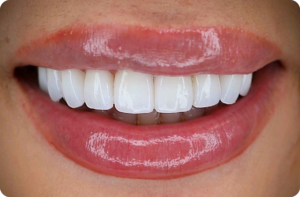
What Are Dental Veneers?
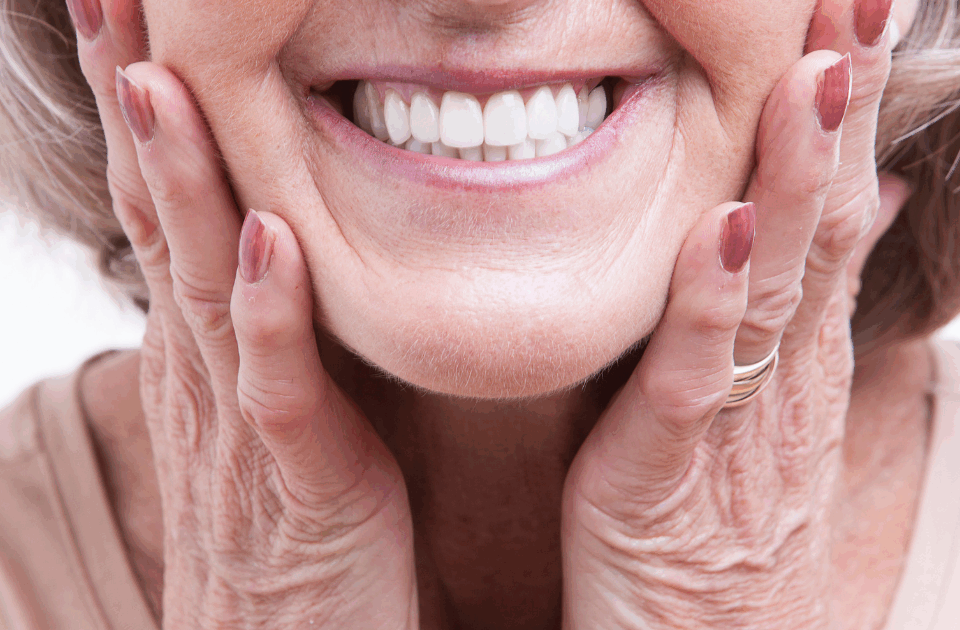
Dental veneers are thin shells, typically made of porcelain or composite resin, that are placed over the front surface of a tooth to improve its appearance. Veneers are always custom-made to match the color and shape of your natural teeth and address your unique concerns.
Veneers are an effective solution to many cosmetic issues, including chipped or broken teeth, discoloration, gaps between the teeth, and minor misalignment. Patients love veneers because they look natural and feel comfortable.
The Procedure of Getting Veneers
Getting dental veneers is a multi-step process that involves several visits to your dentist, but it is fairly straightforward.
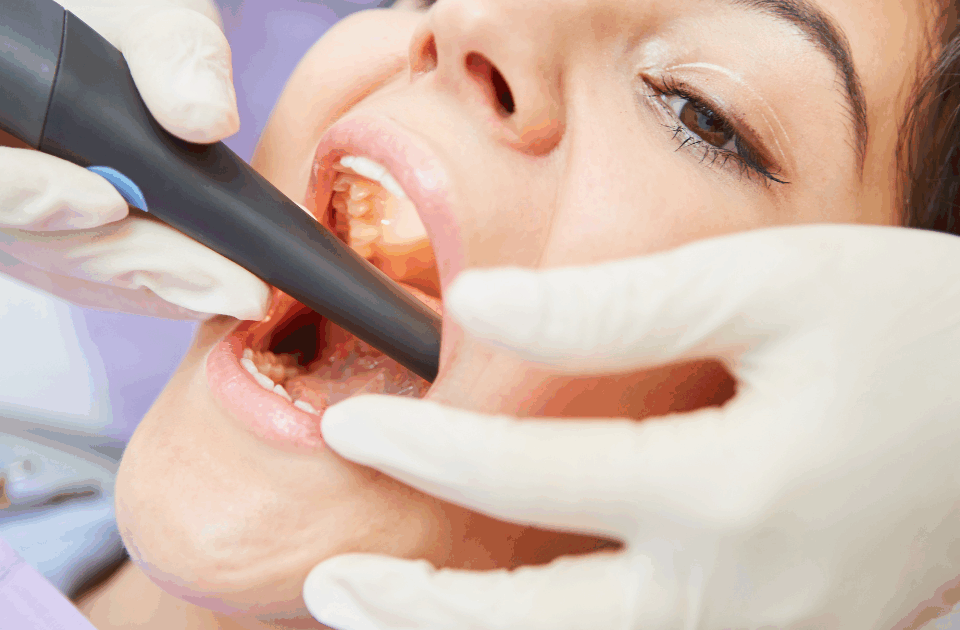
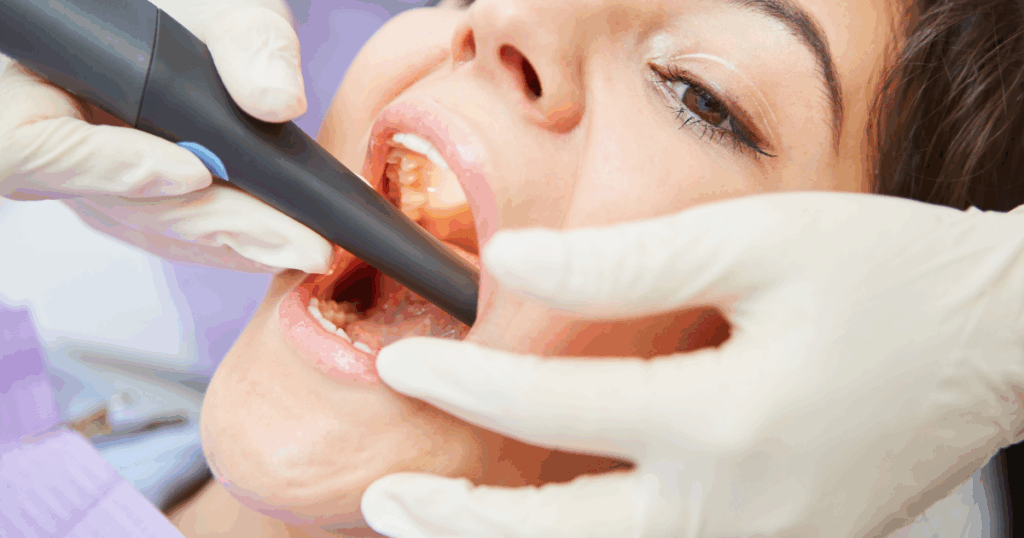
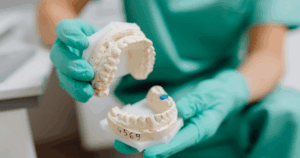
During your first appointment, you will need to discuss your goals with a dental professional to ensure veneers are the right choice for you. Your dentist may take X-rays and make impressions of your teeth to create your veneers.
Before the veneers are placed on your teeth, your dentist will remove a small amount of enamel from the tooth surface to make room for the shell. Do not worry—the amount of enamel that needs to be removed is usually equal to the thickness of the veneer. In some cases, patients require local anesthesia for this step.
Once the veneers are ready, you will come in for another appointment to have them bonded to your teeth. Your dentist will make the necessary adjustments to the size and fit of the veneers to match your teeth and use a special cement to attach the shells. A follow-up visit may be required to ensure the veneers are properly placed.
The Benefits of Dental Veneers
Not sure whether veneers are worth it? Here are a few reasons to choose this treatment:
- Veneers can instantly fix numerous cosmetic issues—if you are unhappy with the color, shape, or size of your teeth, veneers may be the solution you are looking for.
- Veneers are made from durable materials—as long as you follow the care instructions provided by your dentist, you will be able to wear veneers for 10-15 years.
- Veneers will give you a beautiful, natural look—dental professionals customize veneers for every patient to make sure the shells match the rest of their teeth and do not stand out when the person talks or smiles.
How to Care for Your Veneers
Practice good oral hygiene. Brush your teeth twice a day with a soft-bristle toothbrush, floss daily, and use mouthwash to prevent gum disease.
Watch what you eat. While there are no dietary restrictions for patients with veneers, it is recommended to avoid hard foods that may chip or crack the shells.
Visit your dentist regularly. Schedule an appointment with your dental provider at least once a year so that a professional can inspect your veneers and address any issues they may see.
FAQs About Getting Veneers
What Are Veneers, and How Do They Work?
Veneers are thin shells made of porcelain or resin that cover the front part of the tooth. They are bonded to the teeth to hide cosmetic imperfections.
What Are the Advantages of Getting Veneers?
Veneers can transform the way you look—they are able to conceal stained, chipped, and misaligned teeth, making your smile bright and flawless.
Are There Any Disadvantages to Veneers?
Veneers are considered to be a permanent solution since your dentist will have to remove enamel from your teeth to attach them. Besides, veneers may increase tooth sensitivity.
How Long Do Veneers Last?
On average, veneers serve the patient for 10 years. If you take good care of your teeth and visit the dentist annually, your veneers may last for 15-20 years.
How to Take Care of Veneers Properly?
In addition to daily brushing and flossing, you should wear a mouthguard when you play sports, avoid foods that may stain or crack the veneers, and see your dentist regularly.
Embrace a Perfect Smile With Dental Veneers
Getting veneers may seem a daunting process at first, yet once you familiarize yourself with the procedure and customize the veneers for your teeth and your needs, you will see the outstanding benefits of this treatment. From the improved appearance to the confidence boost, veneers will do wonders for your smile.
Ready to transform your smile with veneers? Reach out to Newport Smile to schedule an appointment with our dental professionals. We will be happy to see you in our clinic, assist you with the veneer placement, and give you personalized tips to take care of your teeth.