When to Eat After Tooth Extraction Safely for Comfort and Healing
January 13, 2026
When Do Third Molars Come In: Timing, Symptoms, and What to Expect
January 17, 2026
Getting dentures is a significant decision that can dramatically improve your quality of life. Whether you are missing several teeth or need a full set replaced, dentures offer a proven solution for restoring your smile, improving your ability to eat and speak, and boosting your confidence.
If you are considering dentures but feeling uncertain about the process, you are not alone. Understanding what to expect at each stage helps ease anxiety and prepares you for a smooth transition to your new smile.
The Initial Consultation
Your denture journey begins with a comprehensive consultation with your dentist. This appointment is essential for determining whether dentures are the right solution for your specific situation and, if so, which type will best meet your needs.
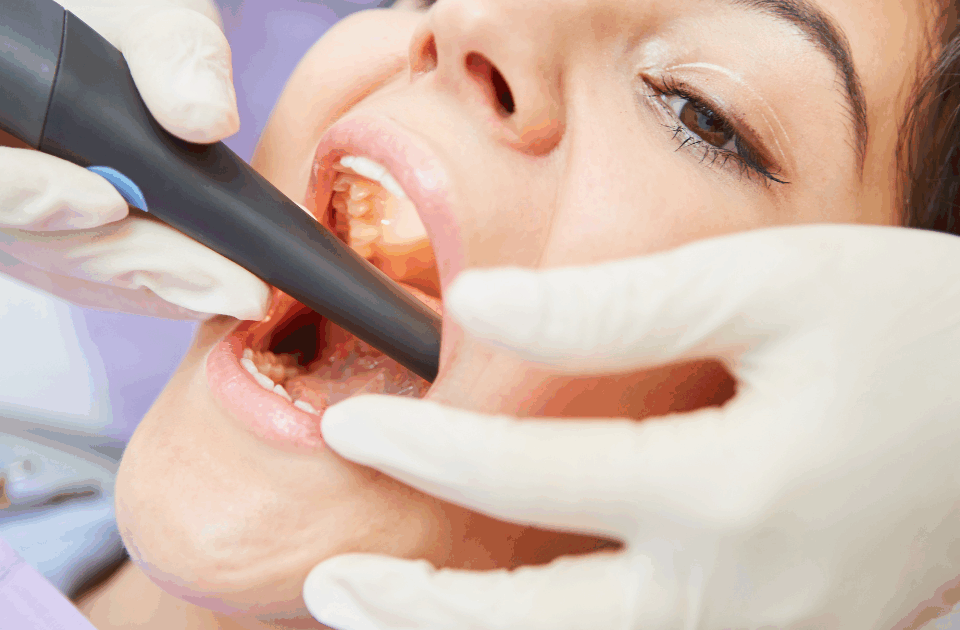
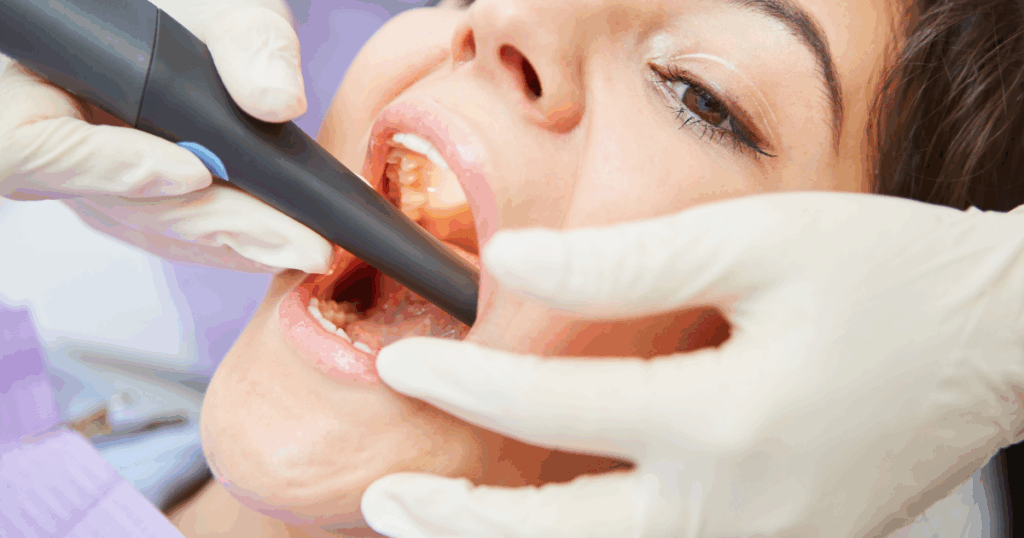
During the consultation, your dentist will thoroughly examine your mouth, including your remaining teeth, gums, and jawbone. They will review your dental history, discuss your current concerns and goals, and assess your overall oral health. Be prepared to share information about any allergies you have and medications you currently take, as these factors can influence treatment decisions.
This appointment is also your opportunity to ask questions and gather information. Consider preparing a list of questions beforehand so you do not forget anything important. Ask about the different types of dentures available, what the process will involve, how long it will take, what costs to expect, and what life with dentures will be like.
Your dentist will explain your options, provide recommendations based on your specific circumstances, and help you make an informed decision about moving forward. Take your time with this decision, as choosing the right type of dentures affects your comfort, appearance, and satisfaction for years to come.
Understanding the Different Types of Dentures
Several types of dentures are available, each designed to address different needs and preferences. Understanding your options helps you make the best choice for your situation.
Complete dentures replace all teeth in either the upper or lower jaw, or both. These are typically made from acrylic resin or porcelain and rest directly on your gums. Complete dentures are appropriate when all natural teeth are missing or need to be removed.
Partial dentures are designed for patients who still have some healthy natural teeth remaining. These dentures fill in the gaps left by missing teeth while preserving your existing teeth. Partial dentures typically attach to your natural teeth using metal clasps or precision attachments, providing stability while maintaining a natural appearance.
Custom dentures are crafted specifically to fit your unique mouth shape and match the appearance of natural teeth. Because they are tailored to your individual anatomy and aesthetic preferences, custom dentures typically offer superior comfort and a more natural look compared to standard options.
Implant-supported dentures represent the most stable and durable option available. Unlike traditional removable dentures, implant-supported dentures are anchored to dental implants surgically placed in your jawbone. This secure attachment prevents slipping, eliminates the need for adhesives, and provides a chewing experience closer to natural teeth.
Your dentist will help you determine which type best suits your oral health status, lifestyle, budget, and personal preferences.
The Fitting Process
Achieving a proper fit is crucial for comfortable, functional dentures. The fitting process involves several steps to ensure your dentures match your mouth precisely.
Your dentist will take detailed impressions of your gums and any remaining teeth. These impressions capture the exact contours of your mouth and serve as the template for creating your dentures. Your dentist will also take measurements of your jaw and assess how your upper and lower jaws align when your mouth is closed.
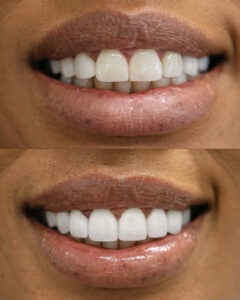
For custom and implant-supported dentures, additional steps may be involved to ensure optimal fit and appearance. Your dentist may take photographs, discuss tooth shape and color preferences, and involve you in decisions about how your new smile will look.
In many cases, you will not receive your permanent dentures immediately. You may wear temporary dentures for several weeks while your custom dentures are being fabricated at a dental laboratory. These temporary dentures allow you to maintain function and appearance during the waiting period.
Once your permanent dentures are ready, you will return to the dental office for a fitting appointment. Your dentist will check how the dentures fit, look, and feel in your mouth. Minor adjustments are common and expected at this stage. Do not hesitate to communicate any discomfort or concerns, as achieving the right fit is essential for long-term satisfaction.
The Adjustment Period
Adjusting to new dentures takes time and patience. While the timeline varies from person to person, most patients adapt to wearing dentures within approximately 30 days. During this period, your mouth, muscles, and brain are all learning to work with your new dental appliance.
During the first few days, you may experience increased saliva production as your mouth responds to the presence of the dentures. Minor irritation or sore spots on your gums are common as the soft tissues adapt to contact with the denture base. You may also notice that speaking feels different, and certain sounds may be temporarily more difficult to pronounce clearly.
These initial symptoms are normal and typically resolve on their own as you adjust. However, persistent pain, significant sore spots, or dentures that feel very loose or unstable warrant a follow-up visit with your dentist for adjustments.
Several strategies can help speed your adjustment and make the transition more comfortable. Practice speaking by reading aloud in front of a mirror. This helps your tongue and lips learn to form words around your new dentures. Start with soft foods and gradually reintroduce harder textures as you become more comfortable chewing. Cut food into small pieces and chew evenly on both sides of your mouth to prevent dentures from tipping.
Be patient with yourself during this period. The initial awkwardness is temporary, and most patients find that dentures become comfortable and feel natural within a few weeks.
Caring for Your Dentures
Proper care extends the lifespan of your dentures and maintains your oral health. With good maintenance, quality dentures can last approximately ten years before needing replacement.
Daily cleaning is essential for removing bacteria, food particles, and plaque that accumulate on denture surfaces. Remove your dentures and brush them thoroughly using a soft-bristled brush designed for dentures and a non-abrasive denture cleanser. Avoid regular toothpaste, as it can be too abrasive and scratch denture surfaces.
Handle dentures carefully to prevent damage. When cleaning your dentures, hold them over a folded towel or a sink filled with water to cushion them if accidentally dropped. Dentures can break if they fall on hard surfaces.
Store dentures properly when not wearing them. Dentures should be kept moist to prevent the acrylic from drying out and warping. Place them in clean water or a denture-soaking solution overnight. Avoid hot water, which can cause dentures to lose their shape.
Maintain your oral health even without natural teeth. Brush your gums, tongue, and the roof of your mouth with a soft brush each morning before inserting dentures. This stimulates circulation and removes plaque.
Be mindful of what you eat while wearing dentures. Certain foods can damage or stain dentures. Very hard foods like nuts, hard candies, and ice can crack dentures or dislodge them. Sticky foods like caramel and peanut butter can cling to denture surfaces and be difficult to clean. Coffee, tea, red wine, and berries may stain dentures over time.
Schedule regular dental checkups even if you have complete dentures. Your dentist will examine your gums and oral tissues, check the fit of your dentures, and make adjustments as needed. Your mouth changes over time, and periodic adjustments help maintain comfort and function.
The Benefits of Choosing Dentures
Dentures offer numerous advantages that extend beyond simply filling gaps in your smile. Restored appearance improves self-confidence and allows you to smile, laugh, and interact socially without self-consciousness. Improved chewing ability expands your dietary options and supports better nutrition. Clearer speech helps you communicate effectively. Supporting facial muscles prevents the sunken appearance that can occur when teeth are missing.
Modern dentures look more natural and fit more comfortably than ever before. Advances in materials and fabrication techniques have made today’s dentures remarkably lifelike and functional.
FAQs About Getting Dentures
1. How long does it take to get dentures?
The complete process typically takes several weeks to a few months, depending on the type of dentures and your individual circumstances. After the initial consultation, impressions, and measurements are taken, the laboratory fabrication process requires time. You may wear temporary dentures during this period before receiving your final set.
2. Will dentures hurt when I first get them?
Some discomfort and minor irritation are normal during the first week or two as your mouth adjusts to the dentures. Sore spots on the gums are common and usually resolve quickly. If pain persists or is severe, contact your dentist, as your dentures may need adjustment.
3. How long do dentures last?
With proper care, dentures typically last around ten years. However, your mouth changes over time, so periodic adjustments or relining may be necessary to maintain proper fit. Regular dental checkups help ensure your dentures continue to fit well and function properly.
4. Should I remove my dentures at night?
Yes, removing dentures while you sleep is recommended. This gives your gums time to rest and recover from the pressure of wearing dentures during the day. Store dentures in water or a denture-soaking solution overnight to keep them moist and prevent warping.
5. Can I eat normally with dentures?
Most people can eat a wide variety of foods with dentures, though some adaptation is required. Start with soft foods and gradually progress to more challenging textures as you become comfortable. Some very hard or sticky foods may need to be avoided or eaten with caution to protect your dentures.
Discover Your New Smile at Newport Smile
Getting dentures is an investment in your comfort, confidence, and quality of life. Newport Smile provides expert guidance and compassionate care throughout your entire denture journey, from initial consultation through fitting and follow-up. Our experienced dental team will help you understand your options, choose the right type of dentures for your needs, and ensure a comfortable, natural-looking fit. We are committed to answering your questions, addressing your concerns, and supporting you every step of the way. Contact Newport Smile today to schedule your consultation and take the first step toward restoring your beautiful, functional smile.