
What to Expect When Getting Dentures: A Practical Guide for Your New Smile
January 15, 2026
When Can You Eat Hard Food After Wisdom Teeth Removal Safely and Without Complications
January 17, 2026
Third molars, commonly referred to as wisdom teeth, are the last set of molars to emerge in a person’s mouth. These teeth have long been a topic of discussion due to the complications they may cause. Understanding the timeline and symptoms associated with their arrival can help individuals prepare for any dental challenges they might face.
For many, the arrival of wisdom teeth can be a seemingly uneventful event, while others may experience discomfort and require dental intervention. In this guide, we will explore when third molars come in, why they are called wisdom teeth, and how to tackle any problems linked to their growth.
When Do Third Molars Normally Appear
On average, people get their wisdom teeth between the ages of 17 and 25, although some may see their third molars as early as 13 or as late as 30. A study suggests that men tend to get their wisdom teeth later than women, but the reasons for this are unclear.
It is entirely normal for a person to never develop third molars—in fact, about 20-25% of people today do not have wisdom teeth. The absence of these molars is usually attributed to human evolution and the lack of necessity for these teeth.
The Purpose of Third Molars
If third molars create so many problems, why do we have them? Anthropologists believe that our ancestors needed these extra teeth to effectively chew through the roots, leaves, meat, and nuts in their diet.
Nowadays, our food is much easier to consume, and the human jaw is smaller than it used to be, which means we simply do not have enough space in the mouth to accommodate the third set of molars. Nonetheless, some people may be lucky to have their wisdom teeth come in properly aligned.
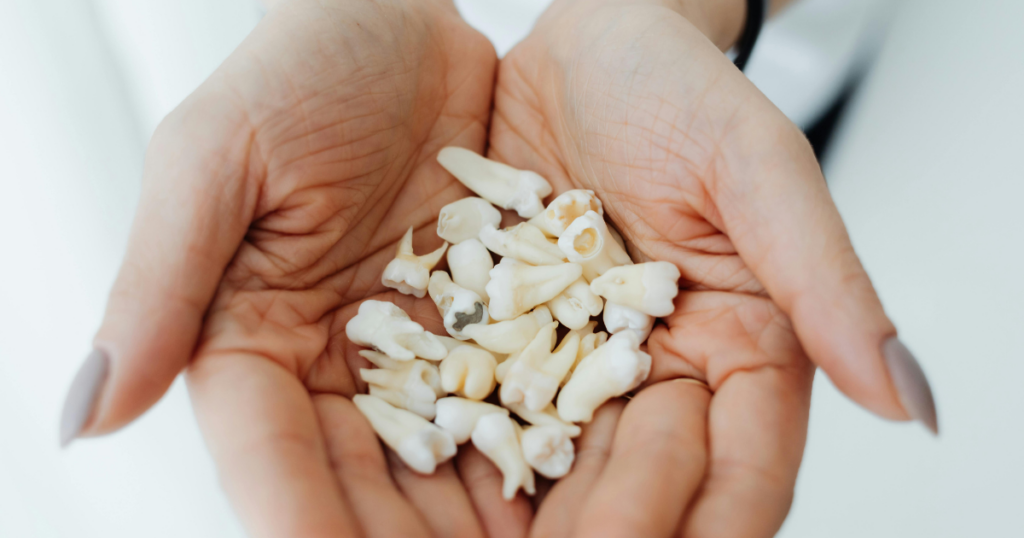
Common Symptoms of Wisdom Teeth Emergence
How can you tell your third molars are about to erupt? Here are the typical signs of wisdom teeth coming in
- Gum irritation. You may feel the gums in the back of your mouth are swollen and tender to the touch
- Jaw pain. The misalignment of the wisdom teeth may lead to aches in the jaw and the surrounding area
- Headaches: In some cases, third molars put pressure on the jaw and the sinuses, causing migraines
- Bad breath. Also called halitosis, this problem may occur due to the infection around the wisdom teeth
Potential Issues Caused by Third Molars
Your wisdom teeth may grow properly and never bother you; however, many people are not so fortunate. Here are the usual complications associated with third molars
- Impaction. Probably the most common problem related to wisdom teeth is their failure to erupt when the tooth is stuck in the jawbone or the gums. You may need to have it surgically extracted to avoid infection and damage to the adjacent teeth.
- Crowding If there is not enough space in your mouth for the third molars, they may end up pushing the rest of the teeth to make room when they come in. This will undo the years of orthodontic treatment you may have had in the past.
- Decay Third molars are located so far in the mouth that it may be difficult to clean them properly and maintain good oral hygiene. This may lead to cavities, cysts, and, in the worst case, tumors.
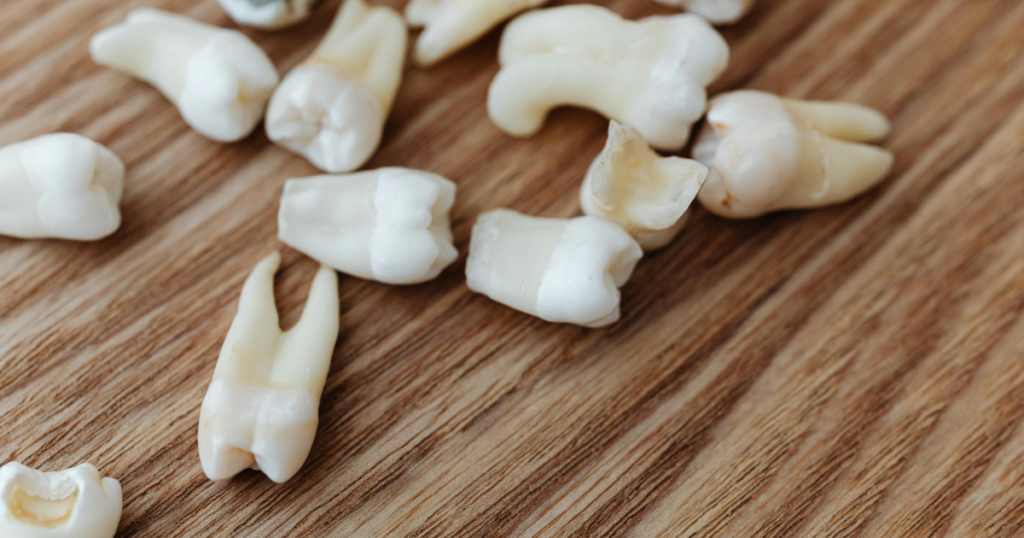
Do You Need to Remove Wisdom Teeth
Feeling discomfort in your gums and suspecting the third molars are on their way, the first thing you should do is to schedule a visit to your dentist. A healthcare professional will be able to see the development of the wisdom teeth with the help of an X-ray and oral examination.
Your dentist will recommend wisdom teeth removal based on your individual circumstances. If the third molars are impacted or cause your teeth to shift, it may be necessary to extract them. Fortunately, wisdom teeth removal is a very common and safe procedure—millions of people undergo wisdom teeth surgery every year.
FAQs
1. What Are Third Molars
Third molars, also known as wisdom teeth, are the last teeth to erupt in a person’s mouth, usually in their late teens or twenties
2. At What Age Do Third Molars Come In
Wisdom teeth usually come in between the ages of 17 and 25, but some people may get them earlier or later than that.
3. What Are The Symptoms Of Third Molars Coming In
The eruption of the wisdom teeth is often accompanied by gum swelling, jaw pain, headaches, and bad breath
4. Is It Necessary To Have Third Molars
It is believed that wisdom teeth do not serve an important purpose in modern times, and many people—about 35% of the population—are born without them
5. Should I Remove My Third Molars
You should consult your dentist to find out whether wisdom teeth extraction is necessary in your case—this will depend on how the teeth come in and whether they are impacted.
Consult Newport Beach Smile Studio For Your Third Molars
Now that you are aware of the timeline and symptoms of wisdom teeth eruption, you will be able to recognize their arrival and react accordingly. While third molars do not always cause trouble, it is important to be on the lookout for their eruption and visit the dentist as soon as you feel discomfort in your gums.
Whether your wisdom teeth are coming in or you or your child is getting a new set of teeth for the first time, you can rely on Newport Smile! Our dental professionals will be able to advise you on the necessity of wisdom teeth extraction and take care of your dental health. Reach out to us via phone or email to book your first appointment!