

Teeth Bleaching Results: What Works Best for Your Smile Type
June 17, 2026
Reasons to Get Professional Teeth Whitening Services
July 1, 2026
If you’ve been told you need your wisdom teeth removed, you’re likely wondering about the procedure itself and how to prepare for your appointment. Wisdom teeth extraction is one of the most common oral surgeries, yet many patients feel anxious about the unknown. Understanding each step of the process, from the initial consultation through recovery, can significantly reduce that anxiety and help you feel confident going into your appointment.
This guide walks you through everything you need to know: the detailed procedure itself, how to prepare your home and schedule, realistic recovery timelines, and the modern techniques that make the process more comfortable than ever. Whether you’re dealing with pain right now or planning, you’ll leave with a clear picture of what to expect and how to set yourself up for the smoothest possible outcome.
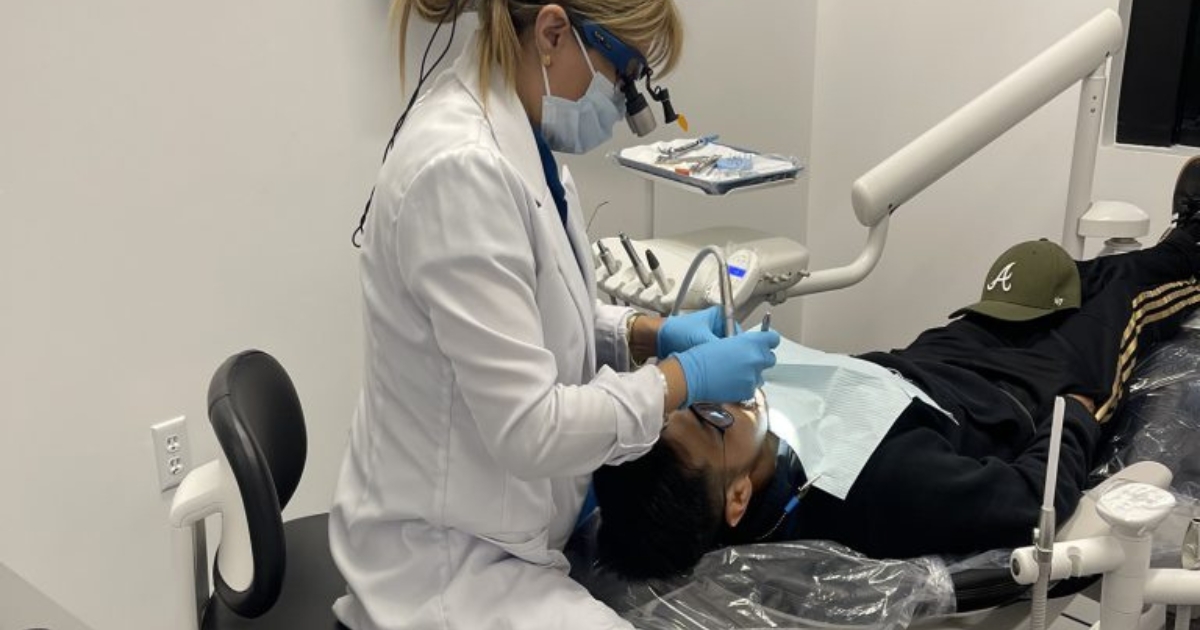
The Wisdom Teeth Extraction Procedure: Step-by-Step Breakdown
The process begins with a thorough consultation and examination. Your dentist or oral surgeon will take digital X-rays or a 3D cone beam CT scan to assess the position of your wisdom teeth, their root structure, and proximity to nerves and sinuses. This pre-operative imaging is a standard part of modern planning and ensures the surgeon can anticipate any anatomical challenges. Impacted wisdom teeth symptoms such as pain, swelling, or difficulty opening your mouth often indicate the need for surgical extraction rather than a simple pull.
On the day of your procedure, you’ll first discuss sedation options for tooth extraction with your care team. For teeth that haven’t fully emerged, a small amount of bone covering the tooth may need to be removed. The tooth itself might be divided into sections to allow for easier, less traumatic removal — this technique minimizes the amount of bone that needs to be taken and reduces post-operative discomfort. After the tooth is fully removed, the surgeon cleans the socket, places sutures if necessary, and may apply platelet-rich fibrin or other biologics to promote faster healing. Gauze is placed over the extraction site, and you’ll receive detailed aftercare instructions before leaving.
| Extraction Type | Procedure Details | Typical Duration |
|---|---|---|
| Simple Extraction | Tooth is fully erupted; removed with forceps after local anesthesia | 15–20 minutes per tooth |
| Soft Tissue Impaction | Tooth partially emerged; gum incision required but no bone removal | 20–30 minutes per tooth |
| Partial Bony Impaction | Tooth partly covered by bone; requires sectioning and bone removal | 30–45 minutes per tooth |
| Full Bony Impaction | Tooth completely encased in jawbone; most complex removal | 45–60 minutes per tooth |
Preparing for Your Wisdom Teeth Removal: Timeline and Checklist
Preparation starts well before your appointment. If you’re receiving IV sedation or general anesthesia, you’ll need to fast for at least 6–8 hours beforehand — no food, liquids, gum, or mints. Arrange for a responsible adult to drive you to and from your appointment and stay with you for the first few hours post-surgery. Plan to take at least 2–3 days off work or school, and avoid scheduling important meetings or events during your first week of recovery.
- Stock your freezer with ice packs and your pantry with soft, nutrient-dense foods like yogurt, applesauce, mashed potatoes, and protein shakes.
- Fill any prescribed pain medications and antibiotics the day before surgery so they’re ready when you get home.
- Arrange transportation in advance and confirm your driver’s availability the morning of your appointment.
- Clear your schedule for at least 3 days post-procedure, and avoid strenuous physical activity for a full week.
Choosing the right sedation is a personal decision. IV sedation produces deep relaxation with little to no memory of the procedure, ideal for anxious patients or complex cases. General anesthesia renders you completely unconscious and is typically reserved for extensive surgical extractions or patients with severe dental phobia. Your oral surgeon will recommend the best option based on the complexity of your case, your anxiety level, and your medical history.
Wisdom Teeth Removal Recovery Time and What to Eat After Your Procedure
Recovery time varies by individual, but most patients follow a predictable pattern. During the first 24–72 hours, expect swelling, discomfort, and some bleeding. Swelling typically peaks around day 2 or 3, then gradually subsides. Pain is usually most intense during this window, managed with prescribed or over-the-counter pain relievers as directed.
By days 4–7, swelling and discomfort should noticeably improve. You can transition to slightly firmer soft foods and may feel ready to return to work or school for non-strenuous activities. Avoid using straws, spitting forcefully, or rinsing vigorously, as these actions can dislodge the clot and cause a painful condition called dry socket. Most patients feel significantly better by the end of the first week, though complete healing of the bone and soft tissue takes 2–4 weeks.
What to eat after wisdom teeth removal? Immediately post-op, stick to cold liquids like water, smoothies, and protein shakes. During days 2–7, introduce lukewarm pureed soups, scrambled eggs, oatmeal, and well-cooked pasta, then gradually reintroduce firmer foods after the first week.
Recognizing and Preventing Complications
While most recoveries proceed smoothly, being aware of potential wisdom teeth surgery complications helps you act quickly if something goes wrong. Dry socket occurs when the blood clot dislodges prematurely, exposing bone and nerves. Infection signs include fever above 101 degrees, increasing pain after day 3, pus or foul odor from the extraction site, and swelling that worsens rather than improves. Excessive bleeding beyond the first 24 hours, difficulty swallowing or breathing, or numbness lasting more than a few days also warrant immediate contact with your surgeon. Follow all aftercare instructions precisely, take prescribed antibiotics as directed, maintain gentle oral hygiene by rinsing with warm salt water after 24 hours, and avoid smoking or tobacco products for at least 1 week.
| Recovery Phase | What to Expect | Activity Guidelines |
|---|---|---|
| Days 1–3 | Peak swelling, moderate discomfort, some bleeding | Complete rest; ice packs; liquid and soft diet only |
| Days 4–7 | Swelling decreases; pain lessens; improved mobility | Light activity; return to work/school if non-physical; soft foods |
| Weeks 2–4 | Minimal discomfort; sockets begin closing; tissue healing | Resume normal diet and exercise; follow-up visit if needed |

Smile With Confidence After Your Comfortable Extraction at Newport Beach Smile Studio
At Newport Beach Smile Studio, the focus is on making your wisdom teeth extraction as smooth and stress-free as possible. The practice combines advanced technology — including 3D imaging and precision instruments — with a patient-first philosophy that prioritizes your comfort, clear communication, and efficient recovery. Whether you’re anxious about the procedure, concerned about cost, or simply want to understand your options, the experienced team is ready to guide you through every step. From transparent pricing and insurance navigation to flexible payment plans, Newport Beach Smile Studio removes the financial uncertainty that often accompanies oral surgery. Schedule your consultation today to discuss your specific needs, explore sedation choices, and create a personalized treatment plan that fits your lifestyle and budget. You deserve a practice that treats you like family and delivers results you can trust.
FAQs
1. Do I need my wisdom teeth removed right away?
If you are wondering, “When to remove wisdom teeth?” you should know that not all wisdom teeth require immediate removal. Extraction is typically recommended when they’re impacted, causing pain, crowding other teeth, or showing signs of decay or infection on X-rays. Your dentist can monitor asymptomatic wisdom teeth during regular checkups and recommend removal if problems develop, though many dentists suggest proactive removal in late teens or early twenties when recovery is typically faster.
2. How much does wisdom teeth removal cost, and will my insurance cover it?
Costs typically range from a few hundred dollars per tooth for simple extractions to significantly more for surgical removal of impacted teeth, though prices vary by location and complexity. Most dental insurance plans cover a significant portion of medically necessary procedures after deductibles, and many practices offer payment plans or financing options for out-of-pocket costs.
3. What are the most common impacted wisdom teeth symptoms I should watch for?
Common symptoms include pain or tenderness in the back of your mouth, swollen or bleeding gums around the wisdom tooth area, jaw stiffness, bad breath, and difficulty opening your mouth fully. You might also experience headaches, swollen lymph nodes in your neck, or an unpleasant taste when biting down near the affected area, signaling it’s time for a dental evaluation.
4. What is the typical wisdom teeth removal recovery time?
Most patients experience the most discomfort during the first 3–4 days, with significant improvement by day 7, though complete healing of the extraction sites takes 2–4 weeks. You can typically return to work or school within 2–3 days for non-strenuous activities, but should wait 7–10 days before resuming vigorous exercise.
5. What sedation options are available, and which is right for me?
Options range from local anesthesia alone (you’re awake but numb) to nitrous oxide (relaxed but conscious), IV sedation (deeply relaxed with little memory of the procedure), and general anesthesia (completely unconscious). Your best option depends on your anxiety level, the complexity of your extraction, medical history, and personal preference, which your oral surgeon will discuss during your consultation to ensure maximum comfort.