
When Can I Eat After Tooth Extraction: Hour-by-Hour Food Timeline
August 5, 2026
Professional Teeth Whitening Treatment Options That Actually Work for Your Smile
August 9, 2026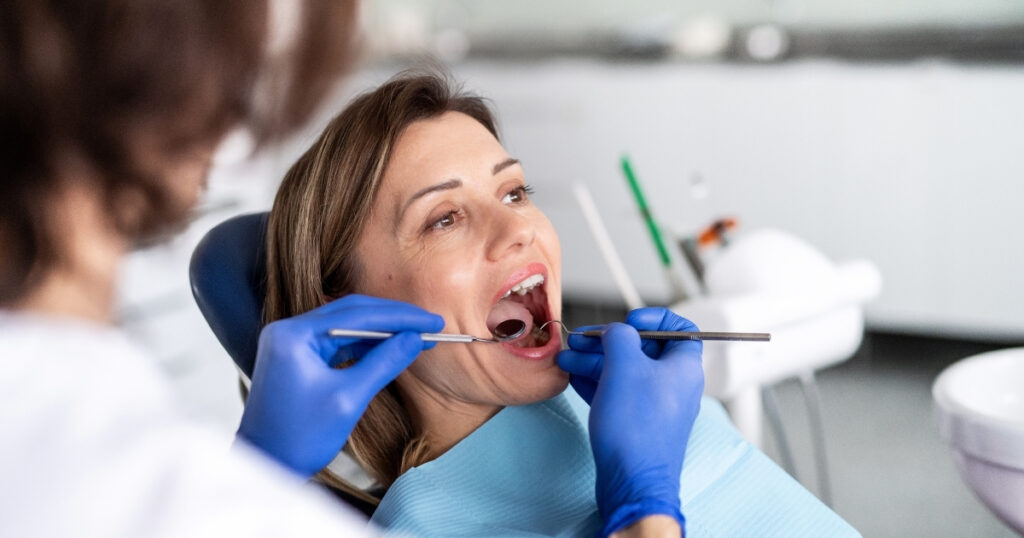
Most people postpone dental visits until something hurts, a filling falls out, or a loved one insists. The idea of sitting in the chair, hearing the drill, or facing a list of problems can trigger real anxiety. But modern preventive dental care has evolved far beyond the sterile, intimidating experiences many remember from childhood. Today’s dental checkup is a collaborative, technology-driven process designed to catch small issues before they become painful emergencies—and the benefits extend well beyond your smile.
Understanding what actually happens during a routine dental exam, why frequency matters, and how these visits protect both oral and overall health can shift the narrative from dread to empowerment. This guide walks through the entire process, the real-world benefits of staying on schedule, and what to expect when you prioritize your oral health screening.

What Actually Happens During a Routine Dental Exam
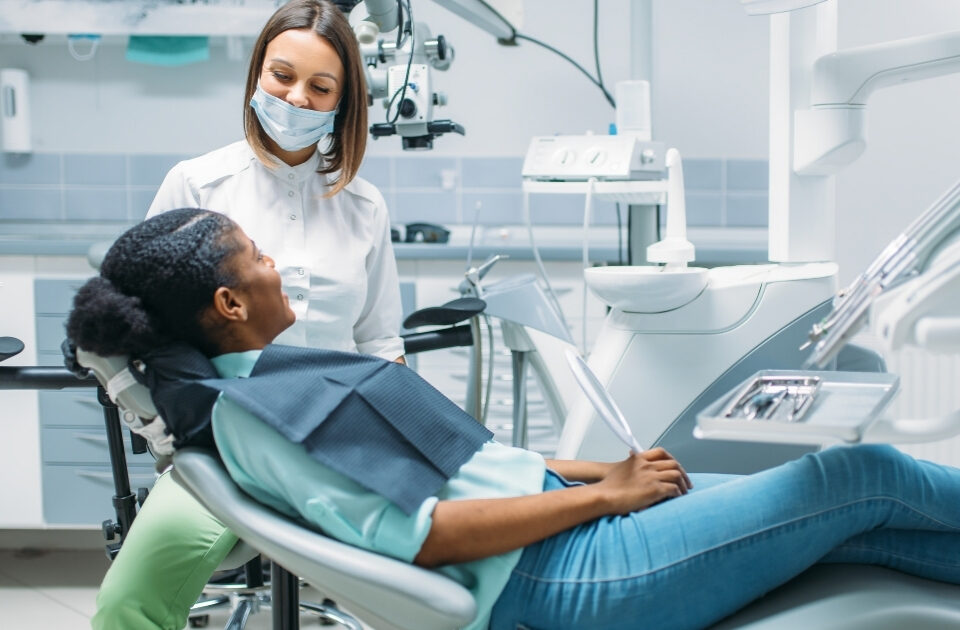
Your appointment begins the moment you check in. Your hygienist reviews your medical history, asks about changes in medications or health conditions, and notes any concerns you’ve noticed since your last visit. This initial conversation sets the foundation for a thorough dental checkup tailored to your current health status.
The dental examination procedure typically starts with a thorough cleaning. Your hygienist uses specialized instruments to remove plaque and tartar buildup from tooth surfaces and below the gum line, then polishes teeth to remove surface stains. This isn’t just cosmetic—removing hardened plaque prevents gum disease and decay. Throughout the cleaning, the hygienist assesses gum health by measuring pocket depths around each tooth, checking for inflammation, bleeding, or signs of periodontal disease.
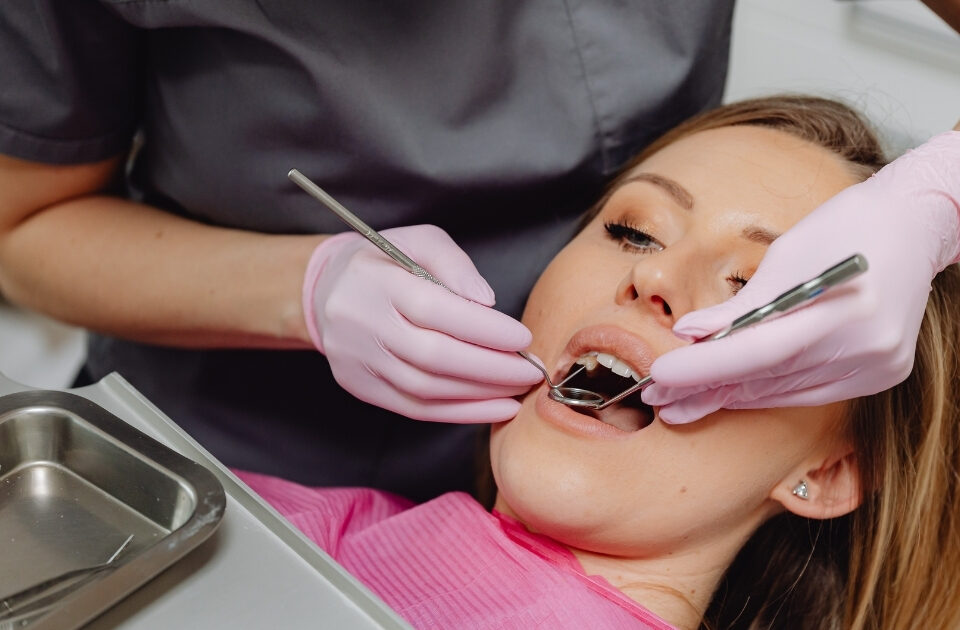
Next comes the comprehensive oral health screening. The dentist examines each tooth for cavities, cracks, or wear patterns. They check existing fillings and crowns for integrity, evaluate your bite alignment, and inspect soft tissues—tongue, cheeks, throat, and palate—for abnormalities that could signal oral cancer or other conditions. Digital X-rays, which emit significantly less radiation than traditional film, reveal issues below the gum line: bone loss, impacted teeth, abscesses, or decay between teeth that’s invisible during a visual exam. This comprehensive approach addresses both visible concerns and hidden issues.
Technology That Makes Modern Exams More Accurate
Intraoral cameras allow you to see cavities, cracks, and gum recession in real time on a monitor, making treatment recommendations more transparent. Digital X-rays reduce radiation exposure significantly compared to traditional film while producing instant, high-resolution images that can be enhanced, measured, and shared electronically.
What Your Dentist Looks For During Soft Tissue Screening
During the oral health screening, your dentist examines all soft tissues—tongue, inner cheeks, roof and floor of your mouth, throat, and lips—for abnormalities that could indicate oral cancer, infections, or systemic conditions. They look for unusual lumps, white or red patches, sores that haven’t healed, or changes in texture. Early detection of oral cancer dramatically improves treatment outcomes, and many cases are first identified during routine visits. This screening takes only a few minutes but serves as a critical safeguard for your overall health.
| Exam Component | What It Detects | Technology Used |
|---|---|---|
| Visual Tooth Inspection | Surface cavities, cracks, enamel erosion | Intraoral camera, LED lighting |
| Gum Assessment | Periodontal disease, recession, inflammation | Periodontal probe, digital charting |
| X-Ray Imaging | Bone loss, hidden decay, impacted teeth | Digital radiography |
| Soft Tissue Screening | Oral cancer, lesions, infections | Visual and tactile examination |
The Real Benefits of Preventive Dental Care Beyond Clean Teeth
These regular appointments do more than keep your smile bright. A consistent dental checkup schedule allows your dentist to identify and treat problems when they’re small, inexpensive, and minimally invasive. A tiny cavity caught early requires a simple filling; left untreated, it can progress to an infection requiring a root canal or extraction. Gum disease detected in its early stage—gingivitis—reverses with improved home care and professional cleanings. Advanced periodontal disease, however, demands costly deep cleanings, antibiotics, or surgery.
Research consistently finds strong links between oral health and systemic conditions. Chronic gum inflammation contributes to cardiovascular disease, complicates diabetes management, and correlates with respiratory infections and adverse pregnancy outcomes. Your dentist may be the first to notice signs of osteoporosis, vitamin deficiencies, or autoimmune disorders that manifest in the mouth before other symptoms appear.
The financial case for prevention is straightforward. A standard teeth cleaning appointment costs a fraction of emergency treatment. Insurance plans typically cover two preventive visits per year at little or no out-of-pocket cost, recognizing that keeping patients healthy reduces claims for complex procedures. Skipping checkups to save money often backfires—emergency dental work, performed after hours or on weekends, carries premium fees and addresses problems that could have been prevented entirely.
- Oral cancer: Early-stage detection during routine screenings dramatically improves survival rates and treatment outcomes.
- Heart disease: Bacteria from untreated gum infections can enter the bloodstream and contribute to arterial plaque buildup.
- Diabetes complications: Gum disease makes blood sugar harder to control, while high glucose levels worsen periodontal inflammation.
- Pregnancy risks: Maternal periodontal disease is associated with preterm birth and low birth weight.
- Respiratory infections: Aspiration of oral bacteria can lead to pneumonia, particularly in older adults or those with compromised immune systems.
How Often Should You Visit the Dentist and Why Frequency Matters
Why are regular dental visits important? The standard recommendation—checkups every six months—is grounded in decades of clinical evidence showing that this interval effectively prevents most common dental problems. For patients with healthy gums, no active decay, and good home care habits, twice-yearly visits allow the dentist to monitor stability and intervene before minor issues escalate.
Certain factors warrant more frequent appointments. If you have a history of gum disease, your dentist may recommend cleanings every three to four months to prevent recurrence. Patients with diabetes face higher infection risk and slower healing, making quarterly visits prudent. Smokers, who experience accelerated bone loss and delayed wound healing, benefit from closer monitoring. Pregnant patients often need an additional mid-pregnancy checkup, as hormonal changes increase susceptibility to gingivitis.
When you postpone your dental checkup, oral health issues progress quickly. Plaque hardens into tartar within a few days; once calcified, it can only be removed professionally. Tartar buildup irritates gums, triggering inflammation that deepens pockets around teeth and destroys supporting bone. A gap of 12–18 months between visits often means treatable problems have advanced to conditions requiring extensive intervention.
| Patient Profile | Recommended Frequency |
|---|---|
| Healthy gums, no active decay | Every 6 months |
| History of gum disease or frequent cavities | Every 3–4 months |
| Diabetes, smoking, or immunocompromised | Every 3–4 months |
| Pregnancy | Once per trimester (3 visits total) |
| Orthodontic treatment (braces, aligners) | Every 3–6 months, as directed |

Keep Your Smile—and Your Health—on Track at Newport Beach Smile Studio
If it’s been months—or years—since your last dental checkup, now is the time to prioritize your oral health. At Newport Beach Smile Studio, we combine advanced diagnostic technology with a patient-first approach that puts comfort and transparency at the center of every visit. Our team takes time to explain findings, answer questions, and build treatment plans that respect your goals and budget. We work with most major insurance carriers and offer flexible payment options to ensure cost is never a barrier to the care you need. Whether you’re due for a routine cleaning or haven’t seen a dentist in years, we welcome you without judgment and with a commitment to making your experience as anxiety-free as possible. Schedule your appointment today and take the first step toward a healthier smile.
FAQs
The following are the most frequently asked questions regarding a dental checkup.
1. How long does a typical dental checkup take?
A standard dental checkup, including cleaning and examination, usually takes 45 minutes to an hour. If x-rays are needed or if the dentist identifies issues requiring discussion, the appointment may extend to 75 or 90 minutes. New patient visits often run longer due to comprehensive medical history review and baseline imaging.
2. What’s the difference between a cleaning and a dental examination?
Understanding what happens during a dental cleaning helps clarify the distinction: a cleaning focuses on removing plaque, tartar, and surface stains from your teeth, performed by a dental hygienist. The dental examination procedure involves the dentist checking for cavities, gum disease, oral cancer, and other conditions, reviewing X-rays, and assessing overall oral health. Both components work together during a routine visit to maintain and monitor your dental wellness.
3. Will my dental checkup hurt?
Most patients experience little to no discomfort during a routine exam and cleaning. If you have sensitive teeth or gum inflammation, you may feel brief tenderness during scaling or probing, but modern techniques and topical anesthetics minimize pain. Communicating any anxiety or sensitivity to your dentist beforehand allows the team to adjust their approach and ensure your comfort throughout the visit.
4. What should I do if I haven’t been to the dentist in years?
Don’t let embarrassment keep you away—dentists see patients in this situation regularly and approach care without judgment. Call to schedule an appointment, mention how long it’s been, and be honest about any concerns or symptoms. Your first visit back will likely include a comprehensive exam, x-rays, and a cleaning, with a treatment plan developed for any issues discovered. Taking that first step is the hardest part, and practices like ours are here to support your return to consistent care.
5. Are dental checkups covered by insurance?
Most dental insurance plans cover two preventive visits per year—including exams, cleanings, and routine X-rays—in full with no deductible. Coverage details vary by plan, so it’s wise to verify your benefits before your appointment. If you don’t have insurance, many practices offer membership plans or payment options to make preventive care affordable, recognizing that regular checkups save money by avoiding costly emergency treatment down the road.