Why Regular Dental Checkups Matter More Than You Think
August 7, 2026
Urgent Dental Care When You Need It Most in Newport Beach
August 11, 2026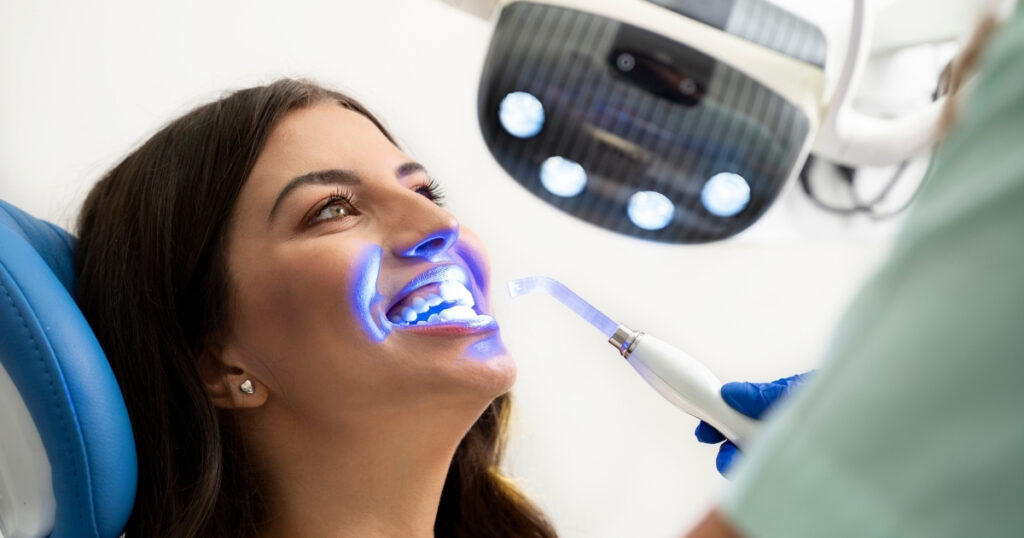
A bright, confident smile can transform how you feel in social and professional settings, yet many people settle for dull or stained teeth because they assume drugstore strips are their only option. Professional teeth whitening treatment delivers faster, more dramatic, and longer-lasting results than over-the-counter products—often brightening teeth six to eight shades in a single appointment. Understanding the science, cost, and candidacy factors behind each whitening method helps you choose an approach that aligns with your timeline, budget, and sensitivity concerns.
This guide walks through how professional whitening works, compares in-office and take-home systems, explains what causes tooth discoloration, and outlines realistic expectations for results and maintenance. Whether you’re preparing for a wedding, job interview, or simply want to refresh your appearance, knowing which treatment delivers the outcomes you need ensures you invest in a solution that actually works for your smile.

The Science Behind Professional Teeth Whitening Treatment and Why Results Vary
Professional whitening relies on peroxide-based bleaching agents—either hydrogen peroxide or carbamide peroxide—that penetrate tooth enamel and break apart chromogen molecules responsible for discoloration. Hydrogen peroxide acts faster, making it ideal for in-office treatments, while carbamide peroxide releases hydrogen peroxide gradually over several hours, which suits take-home systems. The chemical reaction oxidizes stain molecules, converting them into colorless compounds that no longer reflect light as yellow or brown.
Starting tooth shade, stain type, and enamel thickness all influence your final results. These baseline factors determine how much lighter your teeth become. Yellowish teeth typically respond better than grayish tones, and surface stains from coffee or tobacco lift more easily than intrinsic discoloration caused by aging or medication. A pre-treatment consultation identifies these variables so you set realistic expectations and choose a protocol that matches your tooth structure.
Comparing In-Office, Take-Home, and Over-the-Counter Whitening Methods
Choosing the right whitening approach depends on how quickly you need results, your budget, and whether you experience tooth sensitivity. Each method offers distinct advantages and trade-offs in terms of speed, cost, and comfort.
- In-office laser or light-activated treatments
A dentist applies a high-concentration hydrogen peroxide gel, then uses LED or laser light to speed up the bleaching reaction. Because the process happens under controlled clinical conditions, stronger concentrations can be used safely than would be possible at home. It’s the go-to choice for anyone prepping for a wedding, photoshoot, or other event where results are needed fast. - Professional take-home custom tray systems
Your dentist makes impressions and fabricates trays molded to your exact bite, then sends you home with a moderate-strength carbamide peroxide gel to use nightly. The custom fit keeps gel sealed against the teeth and away from gums, which is what keeps irritation low. It’s a strong fit for people with sensitive teeth, or anyone who’d rather whiten on their own schedule than book a chair-time appointment. - Over-the-counter strips and trays
These are one-size-fits-all products sold at drugstores, using lower peroxide concentrations than anything a dentist provides. Because the strips or trays aren’t molded to your teeth, coverage can be inconsistent — some areas whiten more than others. They’re formulated for upkeep between professional treatments rather than tackling significant discoloration on their own. - Cost considerations
Price generally tracks with how much professional involvement and customization is built into the treatment — in-office work commands the highest cost since it includes the dentist’s time and equipment, take-home kits sit in the middle for the custom trays and professional-grade gel, and drugstore products are the most affordable but reflect their limited strength and generic fit.
| Treatment Type | Timeline | Shade Improvement |
|---|---|---|
| In-office professional | 60–90 minutes | 6–8 shades |
| Take-home professional | 2–3 weeks | 4–6 shades |
| Over-the-counter | 4–6 weeks | 2–4 shades |
When evaluating in-office vs at-home whitening, consider your tolerance for multiple appointments versus daily compliance. In-office sessions require a single visit but demand a larger time block, while take-home systems spread treatment over weeks but let you whiten on your own schedule.
What Causes Tooth Discoloration and Which Stains Respond Best to Treatment
Extrinsic stains form on the outer enamel surface from pigmented foods and beverages—coffee, red wine, tea, berries—and from tobacco use. These surface deposits respond quickly to professional bleaching because peroxide can reach and oxidize the chromogen molecules without penetrating deep into the tooth structure.
Intrinsic discoloration originates within the tooth itself, often from aging, certain medications like tetracycline antibiotics, excessive fluoride exposure during childhood, or trauma that damaged the inner pulp. These stains sit deeper in the dentin layer, requiring longer treatment cycles and higher peroxide concentrations to achieve meaningful lightening. Trauma-related discoloration sometimes necessitates specialized teeth whitening treatment performed inside the tooth after root canal therapy.
Whitening agents do not change the color of dental restorations—crowns, veneers, bonding, and fillings remain their original shade regardless of treatment. If you have visible restorations on front teeth, whitening your natural teeth may create a color mismatch that requires replacing the dental work to achieve a uniform smile. A pre-treatment exam identifies these limitations so you can plan accordingly.
Setting Realistic Expectations for Teeth Whitening Before and After Results
Teeth whitening before and after results vary based on your starting shade, the method chosen, and how consistently you follow post-treatment care instructions. Most people achieve their desired brightness within the first treatment cycle, but some cases require multiple sessions or combination approaches.
Patients with naturally darker teeth or significant intrinsic staining should expect a more gradual transformation. While in-office teeth whitening treatment can lighten teeth dramatically in one visit, maintaining that brightness requires ongoing effort. Touch-up treatments every six to 12 months help counteract new staining and keep your smile at its brightest.
| Maintenance Strategy | Frequency | Impact on Longevity |
|---|---|---|
| Touch-up trays at home | Every 6–12 months | Extends results 1–2 years |
| Whitening toothpaste | Daily | Removes surface stains only |
| Avoiding staining foods | Ongoing | Prevents rapid re-staining |
| Professional cleanings | Every 6 months | Maintains overall oral health |
How to maintain white teeth has a straightforward answer: rinse your mouth with water after consuming staining foods, use a straw for dark beverages, and brush within 30 minutes of eating.
Are Whitening Treatments Safe and How to Manage Sensitivity
Are whitening treatments safe? The answer depends on proper application and professional oversight. When performed under a dentist’s supervision, whitening does not damage enamel or weaken tooth structure. Professional peroxide agents are extensively studied and approved by dental associations. Overuse can cause temporary sensitivity, which is why dentist-supervised protocols include safeguards like custom-fitted trays.
Tooth sensitivity occurs when peroxide temporarily increases enamel permeability. For people with pre-existing sensitivity, the best whitening method for sensitive teeth involves lower peroxide concentrations, shorter application times, and the use of potassium nitrate or fluoride gels to block nerve transmission.
How Long Does Teeth Whitening Last and What Affects Duration
The longevity of your results depends on the treatment method, your oral hygiene, and lifestyle choices. How long does teeth whitening last? Professional in-office whitening typically maintains its brightness for one to three years, while take-home systems offer similar longevity with proper maintenance. Over-the-counter products fade more quickly—often within six to 12 months—because their lower peroxide concentrations produce less stable results.
Diet plays the largest role in how quickly teeth re-stain. Daily coffee drinkers, red wine enthusiasts, and smokers see faster color regression than those who limit staining substances. Acidic foods and beverages erode enamel slightly, creating a rougher surface that traps pigments more easily. Combining professional teeth whitening treatment with diligent home care and periodic touch-ups maximizes your investment.

Brighten Your Future One Smile at a Time at Newport Beach Smile Studio
Choosing the right teeth whitening treatment transforms not just your appearance but your confidence in every interaction. Whether you need rapid results for an upcoming event or prefer a gradual approach that accommodates sensitivity, professional whitening delivers outcomes that over-the-counter products simply cannot match. Newport Beach Smile Studio offers customized whitening consultations that assess your tooth structure, discuss your timeline, and design a treatment plan tailored to your goals. Schedule your appointment today to discover which whitening method will give you the radiant smile you’ve been waiting for.
FAQs
These answers address the most common questions patients ask when considering professional whitening options.
1. How long does professional teeth whitening last?
Professional teeth whitening treatment typically lasts one to three years depending on your habits and maintenance routine. Avoiding staining foods and beverages, plus touch-up treatments every six to 12 months, helps extend results significantly.
2. What is the best whitening method for sensitive teeth?
Take-home professional systems with lower peroxide concentrations work best for sensitive teeth because they allow gradual whitening with built-in rest periods. Dentists can incorporate potassium nitrate gels and recommend shorter application times to minimize discomfort.
3. Why do teeth look uneven after whitening?
Uneven results usually occur when existing dental work like crowns, fillings, or veneers does not change color during treatment, creating contrast with newly whitened natural teeth. A pre-treatment consultation identifies these issues so you can plan for replacement restorations if needed to achieve uniform brightness.
4. Can whitening damage tooth enamel?
When performed correctly under professional supervision, whitening does not damage enamel or weaken tooth structure. Overuse of high-concentration products or improper application can cause temporary sensitivity, which is why dentist-supervised treatment includes safeguards like custom trays and controlled exposure times.
5. How much does professional teeth whitening cost compared to drugstore products?
In-office professional whitening ranges from $500 to $1,200, while dentist-dispensed take-home kits cost $300 to $600. Drugstore strips and trays run $20 to $100 but deliver less dramatic results and require longer treatment periods. The higher upfront investment in professional options typically provides better value through longer-lasting, more uniform brightness.