

The Real Cost and Timeline for Permanent Dental Implants in Newport Beach
July 15, 2026
How to Relieve a Toothache Fast: Methods That Actually Work
July 19, 2026
Most people visit the dentist knowing they need “some work done,” but few understand exactly which procedures are truly necessary versus those that are optional enhancements. The gap between essential dental work and elective cosmetic improvements can be confusing, especially when cost becomes a factor. This guide breaks down the main types of dental procedures, explains how dentists determine what you actually need, and provides realistic cost expectations so you can make informed decisions about your oral health.
Whether you’re facing your first filling or considering a complete smile transformation, understanding what to expect at the dentist—from routine cleanings to advanced restorative work—helps you approach treatment with confidence rather than anxiety. The right information empowers you to prioritize care that protects your health while exploring options that enhance your smile.
The Main Categories of Dental Procedures
Dental professionals organize treatment into three primary categories: preventive, restorative, and cosmetic. Preventive dental care services form the foundation of oral health and include routine cleanings, exams, fluoride treatments, and sealants. These appointments catch problems early, often before you experience pain or visible damage. Restorative dental procedures address existing issues like decay, damage, or missing teeth through fillings, crowns, bridges, root canals, and implants. Cosmetic dental work focuses on appearance rather than function, encompassing teeth whitening, veneers, bonding, and orthodontics for aesthetic purposes.
Dentists determine which procedures you need through comprehensive examinations that include visual inspection, digital X-rays, and sometimes 3D imaging. They assess tooth structure, gum health, bite alignment, and signs of decay or infection. A personalized treatment plan emerges from this assessment, distinguishing between urgent needs (like an infected tooth requiring immediate attention), necessary work (such as filling a cavity before it worsens), and elective improvements (like whitening or veneers). Understanding this hierarchy helps you make decisions aligned with both your health priorities and budget.
Common Dental Treatments: From Routine Care to Advanced Procedures
The spectrum of common dental treatments ranges from simple preventive services to complex reconstructive work. Preventive care includes professional cleanings every six months, fluoride applications to strengthen enamel, and dental sealants that protect molars from decay.
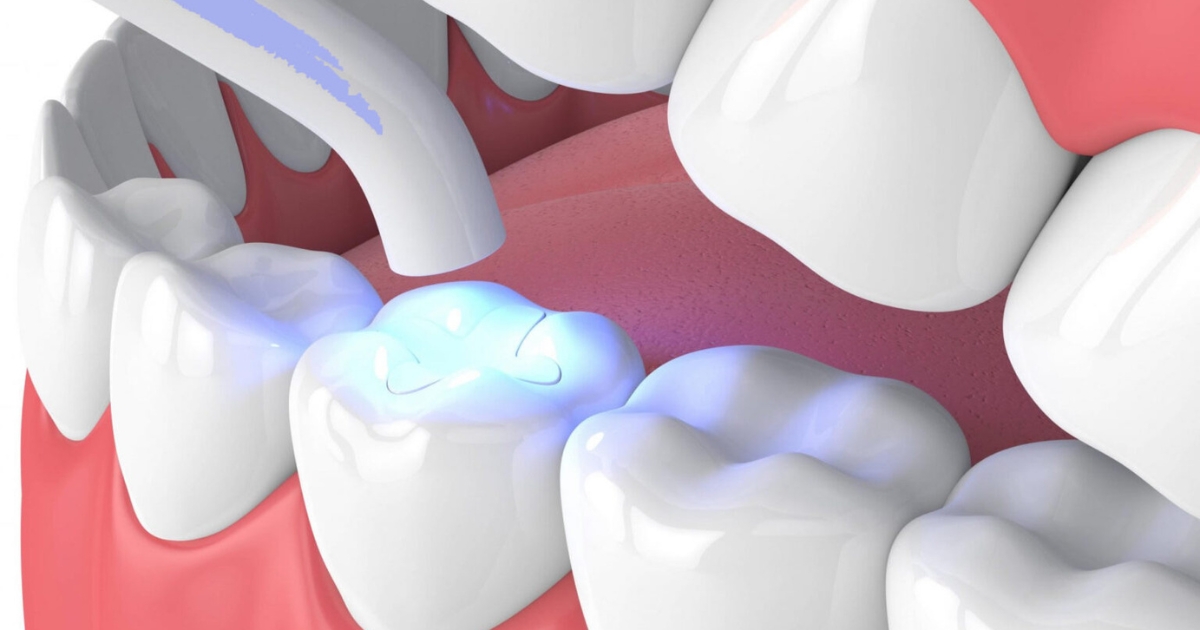
Restorative dental work addresses damage and restores function. Fillings repair cavities and take one appointment, while crowns—which cap damaged teeth—require two visits for preparation and placement. Bridges replace missing teeth by anchoring artificial teeth to adjacent natural ones. Root canals treat infected tooth pulp, often saving teeth that would otherwise require extraction.
- Emergency dental work addresses acute pain, trauma, or infection requiring immediate treatment.
- Periodontal therapy treats gum disease through deep cleaning procedures, sometimes followed by surgical intervention.
- Orthodontic treatment corrects bite alignment and tooth positioning using braces, clear aligners, or other appliances over months to years.
- Full mouth reconstruction combines restorative and cosmetic procedures to address extensive damage from decay, trauma, or long-term neglect.
Dental Treatment Costs and Factors That Affect Pricing
How much does dental treatment cost? Understanding this requires recognizing wide variation based on procedure complexity, geographic location, and provider expertise. Routine cleanings typically range from $75 to $200 without insurance. Simple fillings cost $150 to $300 per tooth, while crowns run $1,200 to $3,000 depending on material—porcelain costs more than metal but offers superior aesthetics. Root canals vary by tooth location, with front teeth averaging $700 to $1,000 and molars reaching $1,200 to $1,800. Dental implants represent a significant investment at $3,000 to $6,000 per tooth, including the post, abutment, and crown.
Several factors influence pricing beyond the procedure itself. Advanced technology like digital impressions, laser dentistry, and 3D imaging adds value through precision and comfort but increases costs. The quality of materials used in dental procedures matters—high-grade porcelain for veneers or zirconia for crowns costs more than standard options but delivers better durability and appearance.
| Procedure Category | Typical Cost Range | Insurance Coverage |
|---|---|---|
| Preventive Care (cleanings, exams, X-rays) | $100–$350 per visit | Typically fully covered twice yearly |
| Basic Restorative (fillings, simple extractions) | $150–$500 per procedure | Usually partially covered at a high percentage |
| Major Restorative (crowns, bridges, root canals) | $700–$3,000 per tooth | Often covered at approximately half after deductible |
| Cosmetic Procedures (whitening, veneers) | $400–$2,000 per tooth | Rarely covered; considered elective |
| Implants and Full Reconstruction | $3,000–$6,000+ per implant | Limited coverage; often excluded |
Insurance coverage significantly impacts out-of-pocket expenses. Most dental plans follow a tiered coverage model: substantial coverage for preventive care, partial coverage for basic procedures, and limited coverage for major work.
Dental Procedure Pain Management
Modern dental procedure pain management has transformed what to expect at the dentist from an anxiety-inducing experience to a comfortable one. Local anesthesia eliminates sensation during most procedures, from fillings to extractions. Dentists apply topical numbing gel before injections, minimizing discomfort from the anesthetic itself. For longer or more complex work, additional anesthetic ensures you remain comfortable throughout. For anxious patients, sedation options range from mild nitrous oxide to deeper oral or IV sedation.
Planning Your Treatment Timeline
Treatment timelines vary widely based on procedure complexity. Simple fillings take 30 to 60 minutes in a single visit. Procedures like crowns require two appointments spaced two to three weeks apart—one for preparation and temporary placement, another for permanent crown fitting. Root canals typically need one to two visits depending on tooth location and infection severity. Implants involve the longest timeline: initial surgery, three to six months for bone integration, then final crown placement.
| Treatment Type | Number of Visits | Total Time to Completion |
|---|---|---|
| Routine Cleaning and Exam | 1 visit | 45–90 minutes |
| Fillings or Bonding | 1 visit | 30–60 minutes per tooth |
| Crown or Veneer (traditional) | 2 visits | 2–3 weeks total |
| Root Canal Treatment | 1–2 visits | 1–2 weeks |
| Dental Implant (full process) | 3–4 visits | 4–8 months |

Your Path to Confident Dental Care at Newport Beach Smile Studio
Every smile tells a story, and yours deserves expert care that honors both your health needs and aesthetic goals. At Newport Beach Smile Studio, personalized consultations assess your unique situation through comprehensive examination and open conversation about your concerns and priorities. Whether you need essential restorative care or dream of a complete cosmetic transformation, the practice creates customized treatment plans that align with your timeline and budget. Advanced comfort dentistry options—including sedation for anxious patients—ensure your experience remains relaxed and positive from consultation through final results. Schedule your complimentary consultation today to discover exactly which cosmetic dentistry options will help you achieve the healthy, confident smile you deserve.
FAQs
These frequently asked questions address the most common concerns patients have when facing dental treatment decisions, from determining necessity to managing costs and anxiety.
1. How do I know if I really need the dental work my dentist recommends?
Ask your dentist to explain the clinical reason for each recommended procedure and what happens if you delay treatment. Request to see X-rays or photos showing the problem area, and inquire about the progression timeline if left untreated. A trustworthy dentist distinguishes between urgent needs (like treating infection), necessary preventive work (such as filling a cavity before it worsens), and optional cosmetic improvements. Seeking a second opinion for expensive or extensive treatment plans is always reasonable and helps you make informed decisions.
2. What dental procedures are considered cosmetic versus medically necessary?
Medically necessary procedures address disease, damage, or functional problems—including fillings for cavities, root canals for infections, crowns for broken teeth, and extractions for severe decay. Cosmetic procedures enhance appearance without treating underlying health issues, such as teeth whitening, veneers for aesthetic improvement, and orthodontics purely for straightening rather than bite correction. Some treatments blur the line: a crown on a front tooth restores both function and appearance, while replacing a missing molar with an implant prevents bone loss and maintains chewing ability despite being expensive.
3. Does dental work hurt and what pain management options are available?
Modern dentistry offers multiple layers of pain control that make most procedures comfortable. Local anesthesia numbs the treatment area completely, while topical gels minimize injection discomfort. For anxious patients or complex work, sedation options range from mild nitrous oxide to deeper oral or IV sedation. Most patients report feeling pressure, but no pain during procedures, with post-treatment discomfort managed effectively through over-the-counter or prescription pain relievers. Discussing your anxiety or past negative experiences helps your dentist tailor pain management to your specific needs.
4. How long do common dental procedures take from start to finish?
Simple procedures like fillings or teeth cleaning typically require one appointment lasting 30 minutes to an hour. Crowns and bridges need two visits over two to three weeks for preparation, fabrication, and placement. Root canals usually take one to two appointments depending on infection severity and tooth location. Dental implants involve the longest timeline—initial surgery, three to six months for bone integration, then final restoration placement.
5. Can I finance expensive dental work if I don’t have insurance?
Many dental practices offer financing options that make treatment accessible regardless of insurance status. Third-party healthcare credit companies like CareCredit provide payment plans with promotional interest-free periods, often six to 24 months for qualifying procedures. Some offices arrange in-house payment plans, allowing you to spread costs over time through monthly installments. Dental savings plans—membership programs offering discounted fees—provide an alternative to traditional insurance for uninsured patients. Discussing financial concerns openly during your consultation helps your dentist structure treatment in phases that fit your budget while prioritizing urgent health needs.