


The Dental Work You Really Need and What It Will Cost
July 17, 2026
How Affordable Dental Implants Deliver Premium Results in Orange County
August 1, 2026
Few things disrupt daily life like sudden, intense tooth pain. Whether you’re trying to sleep, eat, or simply focus on work, a toothache can quickly become unbearable. While professional dental care is the definitive solution, knowing how to relieve a toothache at home can provide critical comfort, and understanding which methods work fastest makes all the difference. This guide walks you through evidence-based methods that actually work, explains what causes sudden tooth pain, and clarifies when home remedies aren’t enough.
Understanding the source of your discomfort is the first step toward effective relief. Different types of dental pain respond to different interventions, and recognizing red-flag symptoms helps you know when to seek immediate professional care. The strategies below offer realistic timelines for relief and safety considerations for each approach, so you can make informed decisions about managing your pain.

What Causes Sudden Tooth Pain and Why It Matters for Relief
Tooth pain rarely appears without reason. The most common culprits include untreated cavities, dental abscesses, cracked or fractured teeth, exposed tooth roots from gum recession, and acute gum disease. Each of these conditions produces a distinct pain signature that can guide your home treatment strategy. Sharp, stabbing pain when you bite down often signals a crack or loose filling, while throbbing, persistent ache typically points to infection or deep decay. Temperature sensitivity — pain triggered by hot or cold foods — usually indicates enamel erosion or nerve exposure.
| Pain Type | Likely Cause | Best Initial Approach |
|---|---|---|
| Sharp pain when biting | Crack, loose filling, or fracture | Avoid chewing on that side; use an OTC pain reliever |
| Throbbing, constant ache | Infection or deep cavity | Saltwater rinse; anti-inflammatory medication |
| Sensitivity to hot/cold | Enamel erosion or exposed root | Desensitizing toothpaste; avoid temperature extremes |
| Dull pressure or swelling | Abscess or gum infection | Cold compress; seek professional care promptly |
Fast-Acting Toothache Pain Relief Methods You Can Try at Home
When dental pain strikes, one question dominates: how to relieve a toothache quickly. The following methods represent your most effective options. Over-the-counter anti-inflammatory medications like ibuprofen typically provide noticeable relief within 30 to 45 minutes and remain the gold standard for dental pain management. Acetaminophen works similarly but doesn’t reduce inflammation.
Saltwater rinses offer gentle, immediate soothing by reducing bacteria and drawing out fluid from inflamed tissue. Dissolve half a teaspoon of salt in eight ounces of warm water and swish for 30 seconds. Cold compresses applied to the outside of your cheek constrict blood vessels and numb the area, delivering relief within 10 to 15 minutes. Apply for 15-minute intervals with 15-minute breaks to avoid tissue damage.
Among natural remedies for dental pain, clove oil stands out for its proven analgesic properties. It contains eugenol — a compound with analgesic and antibacterial properties. Dilute one to two drops of clove oil in a teaspoon of carrier oil like coconut or olive oil, then apply to the affected area with a cotton swab. Relief typically begins within five to 10 minutes. Never use undiluted clove oil directly on gums, as it can cause burns. Elevating your head while resting reduces blood flow to the affected area and can decrease throbbing pain, especially at night. These natural approaches to toothache pain relief at home work best for mild to moderate pain.
- Ibuprofen (400–600 mg): Take with food to avoid stomach irritation; avoid if you have kidney issues or are on blood thinners.
- Saltwater rinse: Use warm, not hot, water; safe to repeat as often as needed throughout the day.
- Cold compress: Wrap ice in a cloth rather than applying directly to skin to prevent frostbite.
- Diluted clove oil: Keep a cotton swab dedicated to this use only, and store the diluted mixture in a small sealed container for reuse.
- Head elevation: Use an extra pillow or two, particularly helpful for pain that worsens when lying flat.
- Hydrogen peroxide rinse: Spit thoroughly afterward and avoid swallowing; not recommended for children under 12.
Safety Considerations for Home Remedies
While these methods provide temporary relief, they come with important precautions. Avoid aspirin directly on the gum tissue, as it can cause chemical burns. Do not use heat on a toothache — it can worsen infection. If you’re pregnant, nursing, or taking blood thinners, consult a healthcare provider before using NSAIDs or herbal remedies.
Why Does My Tooth Hurt When I Bite Down?
If you’re wondering why your tooth hurts when you bite down, understanding that it usually indicates structural damage is the first step. The most common causes include a cracked tooth, a failing filling, or a tooth with a compromised root. The act of biting compresses the crack or damaged area, irritating the nerve inside the tooth. This type of pain won’t resolve with topical treatments alone and requires professional evaluation to prevent further fracture or infection. Until you can see a dentist, avoid chewing on the affected side and stick to soft foods that don’t require heavy biting force.
When Home Remedies Aren’t Enough: Red Flag Symptoms Requiring Professional Care
Understanding when to see a dentist for tooth pain can prevent minor discomfort from escalating into a serious infection or permanent damage. Fever accompanying tooth pain suggests systemic infection that can spread beyond the tooth. Facial swelling, especially if it extends to the eye or neck, indicates a dental abscess that may compromise your airway or spread to surrounding tissues. Severe, unrelenting pain that doesn’t respond to over-the-counter medication within two hours requires emergency toothache treatment.
Visible pus, a foul taste in your mouth, or swollen lymph nodes under your jaw all point to active infection requiring antibiotics and possible drainage. Bleeding that doesn’t stop after 10 minutes, difficulty swallowing or breathing, or a knocked-out tooth are all dental emergencies. Knowing how to relieve a toothache at home is valuable, but recognizing when professional care is non-negotiable can prevent serious complications.
| Symptom | Urgency Level |
|---|---|
| Fever above 101°F with tooth pain | Seek care within 24 hours |
| Facial swelling extending to eye or neck | Immediate emergency care |
| Pain unresponsive to OTC medication for 2+ hours | Same-day or next-day appointment |
| Visible pus or foul taste | Seek care within 24 hours |
| Knocked-out or severely loosened tooth | Immediate emergency care (within 30 minutes if possible) |
Differentiating Between “Wait Until Morning” and “Go Now” Scenarios
Mild to moderate pain that responds to ibuprofen and doesn’t interfere with breathing or swallowing can typically wait until regular office hours. If you can sleep, eat soft foods, and manage discomfort with the methods outlined above, scheduling an appointment for the next available slot is appropriate.
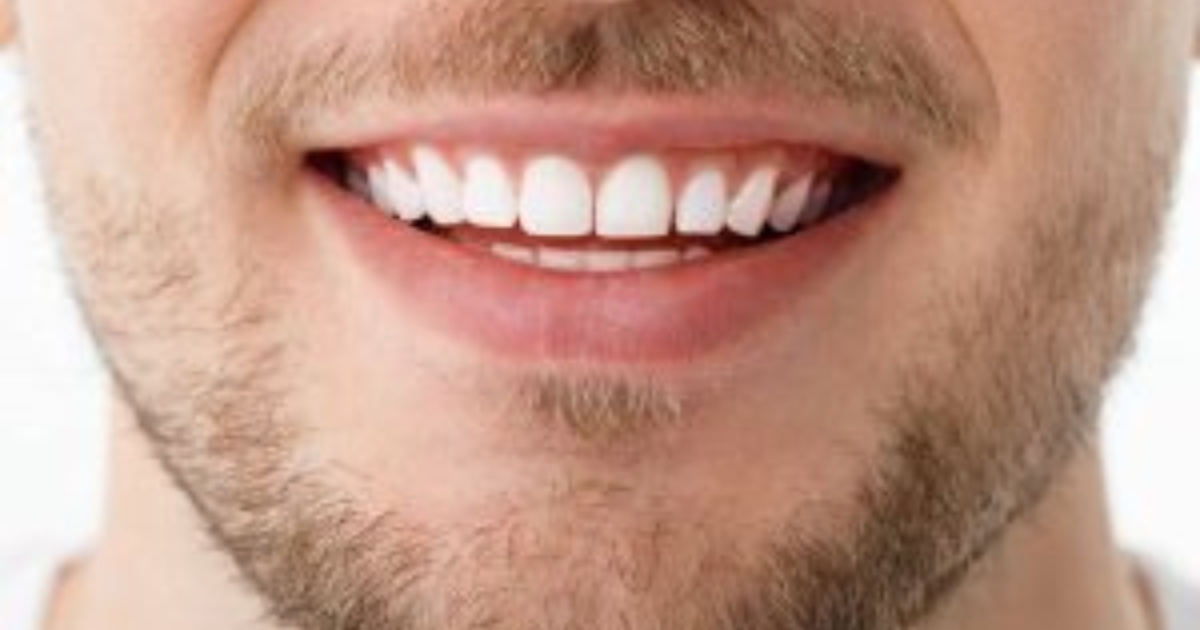
Don’t Let Tooth Pain Steal Another Smile at Newport Beach Smile Studio
When tooth pain relief that works fast isn’t enough, and you need professional intervention, Newport Beach Smile Studio offers same-day emergency appointments for Orange County residents experiencing dental distress. Our team understands that figuring out how to relieve a toothache doesn’t follow a nine-to-five schedule, which is why we prioritize urgent cases and provide after-hours guidance for patients in acute pain. Whether you’re dealing with a cracked tooth, suspected infection, or unexplained sensitivity, our comprehensive diagnostic approach identifies the root cause and delivers targeted treatment to restore your comfort. Call our emergency line today — you don’t have to suffer through another night of throbbing pain.
FAQs
Below are answers to the most common questions about managing tooth pain at home and knowing when to seek professional care.
1. How long does toothache pain typically last without treatment?
Duration varies widely depending on the underlying cause — a minor sensitivity issue may resolve in a day or two, while an infected tooth will worsen over time without professional care. Persistent or worsening pain beyond 48 hours almost always indicates a problem that requires dental evaluation, as untreated infections and structural damage don’t heal on their own.
2. What’s the best over-the-counter medicine for tooth pain?
Ibuprofen is generally the most effective option because it reduces both pain and inflammation, addressing the swelling that often accompanies dental issues. Acetaminophen can be used if you can’t tolerate NSAIDs, but it won’t address inflammation, making it less effective for most toothaches.
3. Can a toothache go away on its own?
While pain may temporarily subside as nerves die or inflammation decreases, this is a false signal of healing. The underlying problem — whether decay, infection, or structural damage — will not resolve without treatment and will likely worsen over time.
4. Why does my tooth hurt worse at night?
Lying down increases blood flow to your head, which raises pressure in the inflamed area and intensifies throbbing pain. Additionally, nighttime offers fewer distractions, making you more aware of discomfort that you might partially ignore during the day.
5. Is it safe to use clove oil directly on my tooth?
Undiluted clove oil can burn gum tissue and cause irritation, so always dilute it with a carrier oil like coconut or olive oil before application. Use a cotton swab to apply the mixture directly to the painful area, avoiding prolonged contact with soft tissue.


