What Does Invisalign Cost in Orange County? 2026 Pricing Breakdown
June 9, 2026
Dental Implants and Dentures: Which Tooth Replacement Works Best for You
June 13, 2026
Nearly half of American adults over 30 show signs of gum disease according to CDC data, yet many delay treatment because they don’t know which procedure matches their symptoms. Choosing the right gum disease medical procedure depends on an accurate diagnosis of your specific stage—whether you’re dealing with early inflammation or advanced bone loss. Understanding the spectrum of available procedures, from non-surgical deep cleanings to regenerative periodontal surgery, empowers you to make informed decisions alongside your dental team.
This guide explains which symptoms indicate specific treatment options, details what to expect during each intervention, and helps you determine the most appropriate path forward. By recognizing the clinical markers of disease progression, you can approach your next dental visit prepared to discuss the intervention that best addresses your current condition.
Matching Your Symptoms to the Correct Stage of Gum Disease
Gingivitis and periodontitis represent two distinct phases of disease, and the difference determines which treatment you need. Gingivitis is reversible inflammation confined to the gum tissue—bleeding during brushing, mild redness, and slight swelling signal this early stage. Periodontitis, by contrast, involves irreversible damage to the bone and connective tissue supporting your teeth. Once the attachment between tooth and bone deteriorates, the condition cannot be fully reversed, though progression can be halted.
Specific symptoms indicate which stage you’ve reached. Receding gums that expose tooth roots, persistent bad breath unaffected by oral hygiene, visible pus between teeth, and teeth that feel loose or shift position all suggest periodontitis. Pocket depth measurements taken during a periodontal exam provide the most reliable diagnostic information—healthy gums have pockets 1 to 3 millimeters deep, while pockets measuring 4 millimeters or more indicate active disease.
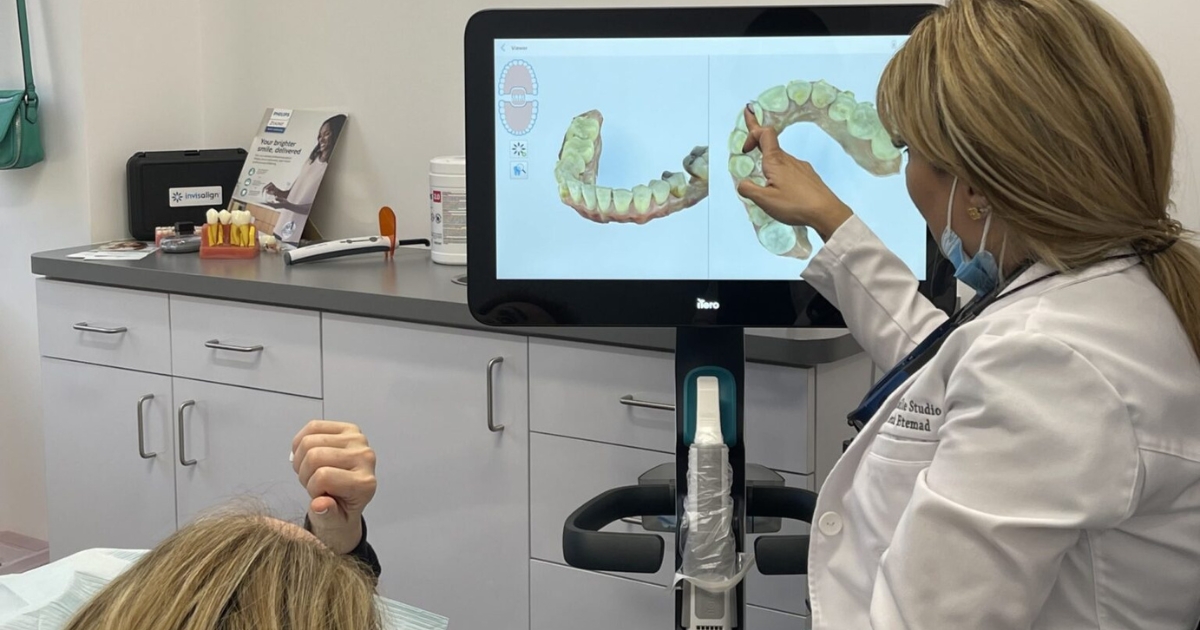
Your dentist uses a periodontal probe to measure these pockets around each tooth and takes X-rays to assess bone loss. These diagnostic tools reveal whether you need a procedure focused on surface cleaning or deeper intervention to access infected areas below the gumline. Accurate staging ensures you receive the appropriate level of care rather than undertreatment that allows progression.
Non-Surgical Periodontal Disease Treatment Options for Early to Moderate Cases
The scaling and root planing procedure serves as the gold standard first-line treatment for periodontitis. This deep cleaning for gums removes hardened tartar deposits from below the gumline and smooths root surfaces to discourage bacterial recolonization. Unlike routine cleanings, this gum disease medical procedure addresses plaque below the gumline where disease-causing bacteria thrive. The procedure typically requires local anesthesia and may be completed in one visit or divided into quadrants across multiple appointments depending on disease severity. Understanding how to treat periodontitis begins with this foundational intervention, which addresses the bacterial infection at its source below the gumline.
Antibiotic therapy often accompanies this intervention to control bacterial infection. Topical antibiotics placed directly into periodontal pockets deliver concentrated medication to affected sites, while oral antibiotics address systemic infection in cases of aggressive disease. Laser gum therapy offers a minimally invasive alternative that uses focused light energy to remove infected tissue and bacteria while preserving healthy gum structure. The laser’s precision reduces bleeding and accelerates healing, though it may not fully replace mechanical cleaning in severe cases.
| Treatment Type | Pocket Depth Range | Expected Outcome |
|---|---|---|
| Scaling and root planing | 4–5mm | Pocket reduction of 1–2mm typically, halted progression |
| Laser therapy adjunct | 4–6mm | Enhanced bacterial reduction, faster healing |
| Antibiotic therapy | Any depth with active infection | Reduced inflammation, controlled bacterial load |
| Surgical intervention | 6mm or greater | Direct access to deep deposits, bone recontouring |
What Happens During Periodontal Surgery for Advanced Gum Disease
When gum disease reaches an advanced stage, treatment moves into specialized surgical care, typically performed by a periodontist your dentist refers you to and coordinates with. Flap surgery, the most common surgical gum disease medical procedure, addresses deep pockets that non-surgical methods cannot adequately clean. The periodontist makes small incisions to lift gum tissue away from teeth, exposing root surfaces and underlying bone. After removing tartar deposits and smoothing irregular bone contours, the tissue is sutured back in place at a lower level that reduces pocket depth and allows for easier cleaning at home. The procedure typically takes one to two hours per quadrant and requires local anesthesia, though sedation options are available for anxious patients.
Bone grafting and guided tissue regeneration aim to restore lost supporting structures around teeth. When periodontitis creates crater-like defects in the bone, grafting material fills these voids and encourages new bone formation. A biocompatible membrane placed over the graft prevents fast-growing gum tissue from occupying the space, giving slower-growing bone cells time to regenerate. Success rates vary based on defect size and location.
Gum graft surgery, a specialized gum disease medical procedure, corrects severe recession that exposes tooth roots and creates sensitivity. The periodontist harvests a small strip of tissue from the roof of your mouth or uses donor tissue, then attaches it to the receded area to cover exposed roots and thicken thin gum tissue. Recovery involves soft foods and gentle brushing for 10 to 14 days while the graft integrates. Long-term success rates are high when patients avoid tobacco and maintain excellent oral hygiene, with grafted tissue remaining stable for decades.
| Surgical Procedure | Primary Indication | Recovery Timeline |
|---|---|---|
| Flap surgery | Pockets 6mm or deeper with bone irregularities | 1–2 weeks for initial healing, 6–8 weeks for complete reattachment |
| Bone grafting | Crater defects with significant bone loss | 3–6 months for bone maturation, ongoing monitoring |
| Gum grafting | Root exposure, recession causing sensitivity | 10–14 days soft diet, 4–6 weeks for full integration |
| Guided tissue regeneration | Isolated bone defects with regenerative potential | 6–12 months for new bone and attachment formation |
Managing Discomfort and Expectations After Surgery
Post-surgical discomfort is typically manageable with over-the-counter pain medication such as ibuprofen, and swelling usually peaks on the second or third day before gradually subsiding. Set realistic expectations for the days that follow: plan on a soft-food diet, gentle brushing around the surgical site, and avoiding strenuous activity for the first several days. Minor bleeding and tenderness are normal early on, but increasing pain, swelling, or bleeding after the third day should prompt a call to your dental team. Most patients return to their normal routine within a few days, with full tissue healing continuing over the following weeks.
Long-Term Maintenance After Any Treatment
Regardless of which gum disease medical procedure you receive, long-term success depends on meticulous home care and regular professional maintenance. Patients with a history of periodontitis require cleanings every three to four months. Your dental team will monitor pocket depths, assess bleeding on probing, and take periodic X-rays to confirm that bone levels remain stable. Smoking cessation dramatically improves outcomes, as tobacco use interferes with healing and accelerates disease progression even after successful treatment.
Your Smile Deserves Precision Care at Newport Beach Smile Studio
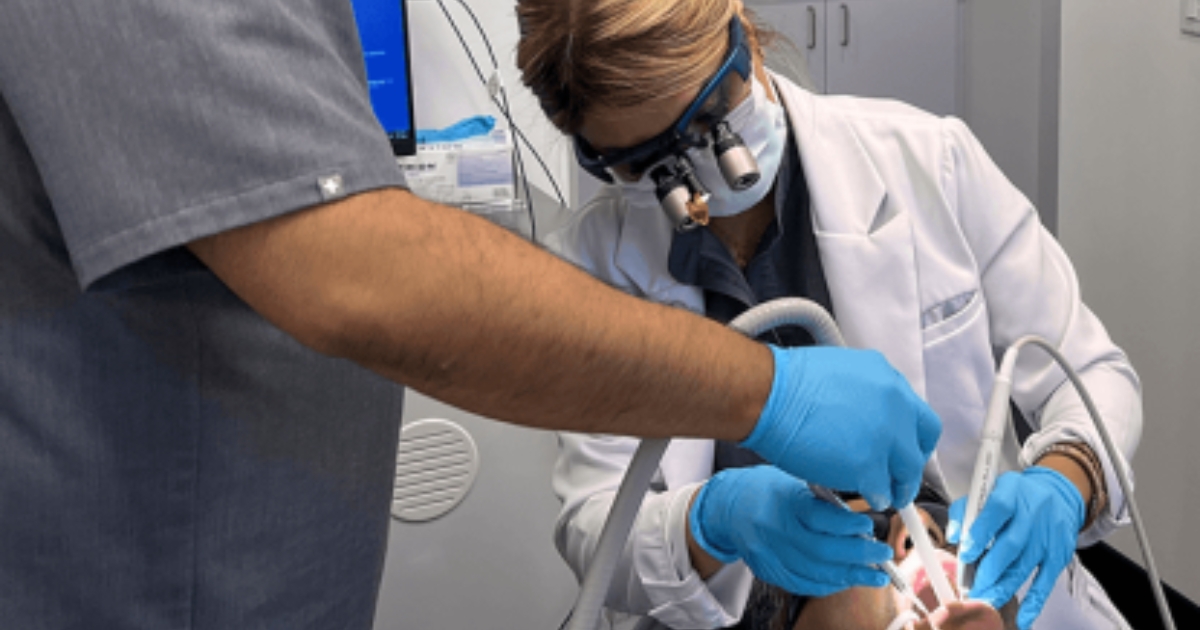
Catching gum disease early is the single biggest factor in treating it simply and preserving your teeth. At Newport Beach Smile Studio, your routine exams and cleanings include a periodontal screening — we measure pocket depths, check for bleeding and recession, and review X-rays to catch problems before they advance. If we find early gum disease, we’ll treat it and build a maintenance plan to keep it from progressing; if your case calls for specialized surgical care, we’ll coordinate your referral and stay involved throughout. Schedule a consultation today for a thorough gum-health assessment and a clear, honest plan for your next steps.
FAQs
These answers address the most common questions patients ask when evaluating their options for periodontal care.
1. How do I know if I need scaling and root planing or periodontal surgery?
Your dentist measures pocket depths around each tooth during a periodontal exam. Pockets measuring 4 to 5 millimeters typically respond well to the scaling and root planing procedure, while pockets 6 millimeters or deeper often require surgical intervention to access and clean affected areas. X-rays showing significant bone loss also indicate whether surgery is necessary to reshape damaged bone and reduce pocket depth—a process that involves lifting gum tissue to access deep infection.
2. Is laser gum therapy as effective as traditional deep cleaning for gums?
Laser therapy can be highly effective for moderate periodontitis and offers benefits such as reduced bleeding, less discomfort, and faster healing compared to conventional methods. However, it may not fully replace this deep cleaning approach in severe cases where extensive tartar removal is required. Many periodontists use lasers as an adjunct to traditional techniques rather than a complete replacement, combining both approaches for optimal results.
3. What does gum infection treatment cost, and will my insurance cover it?
Scaling and root planing typically costs between $500 and $1,500 depending on disease severity and the number of quadrants treated. Periodontal surgery ranges from $1,500 to $5,000 per area, with bone grafting and guided tissue regeneration adding to the total. Most dental insurance plans cover a substantial portion of medically necessary periodontal procedures after deductibles, though coverage varies by plan and often requires pre-authorization before treatment begins.
4. How long does recovery take after periodontal surgery?
Initial healing occurs within one to two weeks, with manageable discomfort controlled by over-the-counter pain medication and a soft diet. Most patients return to normal activities within two to three days, avoiding only strenuous exercise and hard foods during early recovery. Complete tissue reattachment and bone maturation take six to eight weeks, during which your dental team monitors progress and adjusts care as needed.
5. Can gingivitis vs periodontitis treatment reverse gum disease completely?
Gingivitis is fully reversible with professional cleaning and improved home care, returning gums to a healthy state within weeks. Treatment for periodontitis differs because bone and attachment loss are permanent, but intervention halts progression and prevents tooth loss. Regenerative procedures such as bone grafting can restore significant function and aesthetics, though the underlying susceptibility to disease remains and requires ongoing maintenance to prevent recurrence.