Root Canal Cost in Orange County: What You’ll Actually Pay in 2026
May 11, 2026
Full-Mouth Dental Implants Cost, Process, and What to Expect in 2026
May 15, 2026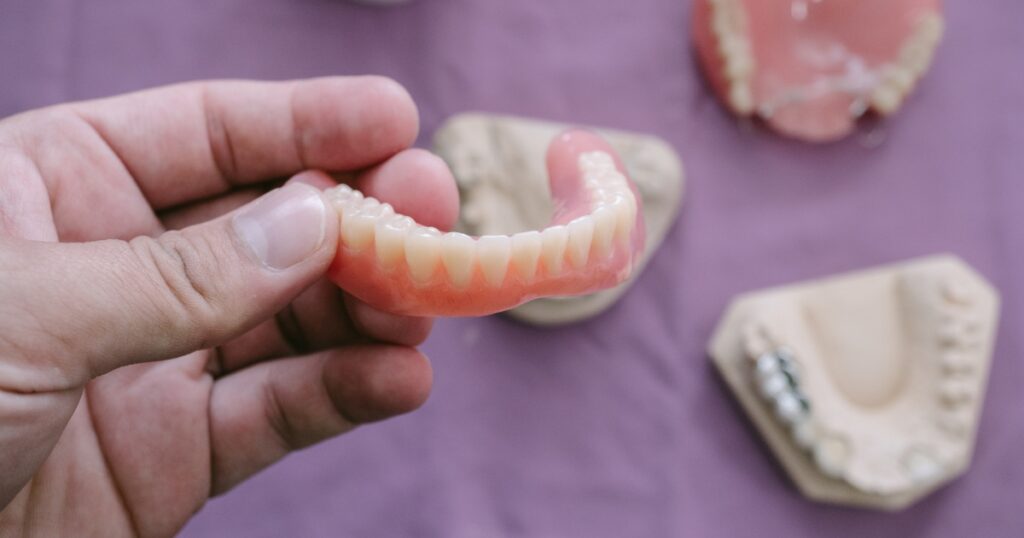
Missing teeth can significantly impact your confidence, ability to eat comfortably, and overall oral health. If you’ve lost some but not all of your natural teeth, partial dentures offer a practical, effective solution to restore both function and appearance. Unlike complete dentures that replace an entire arch of teeth, they fill in the gaps left by missing teeth while anchoring to your remaining natural teeth. They provide immediate improvement in chewing ability, speech clarity, and facial structure support. For many patients, this option represents an accessible entry point into tooth replacement that doesn’t require surgery or extensive dental work.
Choosing the right type of removable tooth replacement requires understanding the different materials, construction methods, and cost considerations involved in this decision. The cost of removable partial dentures can range from a few hundred dollars for basic acrylic versions to several thousand for precision-crafted metal frameworks. Factors like durability, comfort, aesthetics, and longevity expectations all play crucial roles in determining which option best fits your lifestyle and budget. This guide explores the types of partial dentures explained in detail, walks you through the fitting process, and helps you make an informed decision about restoring your smile with confidence.
Partial Dentures and Who Benefits Most from This Tooth Replacement Option
Partial dentures are removable dental appliances designed to replace one or more missing teeth while preserving your remaining natural teeth. They consist of replacement teeth attached to a gum-colored base, which connects to a metal or flexible framework that clasps onto your existing teeth for stability. Unlike complete dentures that rest on the gums and replace all teeth in an arch, they work in harmony with your natural teeth to fill specific gaps. The prosthetic not only restores your ability to chew and speak properly but also prevents remaining teeth from shifting into empty spaces, which can cause bite problems and additional tooth loss over time. When gaps are left untreated for extended periods, adjacent teeth begin drifting within just 6-12 months, creating misalignment that affects your entire bite pattern. This shifting can lead to uneven wear on tooth surfaces, increased risk of jaw joint disorders, and difficulty maintaining proper oral hygiene in newly created tight spaces. Removable tooth replacements also improve digestion by restoring your ability to chew food thoroughly before swallowing, which reduces strain on your digestive system and enhances nutrient absorption from meals.
The best candidates for removable tooth replacements are individuals missing one to several teeth who have sufficient healthy teeth and gum tissue to support the appliance. Your remaining teeth must be strong enough to anchor the clasps or attachments that hold the appliance in place during daily activities. Patients with good oral hygiene habits and realistic expectations typically experience successful outcomes with removable tooth replacements. They prove especially beneficial for those seeking what are the best false teeth options without committing to dental implant surgery or permanent bridgework. They offer immediate aesthetic improvement, restore up to 70-80% of natural chewing function, and provide crucial support to facial muscles that can sag when teeth are missing. For many patients, they serve as either a long-term solution or a temporary measure while planning for more permanent tooth replacement options.
| Candidate Factor | Ideal Condition |
|---|---|
| Number of Missing Teeth | One or several teeth are missing, with healthy teeth remaining |
| Oral Health Status | Good gum health and adequate bone support |
| Anchor Teeth Condition | Strong natural teeth capable of supporting clasps |
| Commitment Level | Willing to maintain a daily cleaning routine and regular dental visits |
| Budget Consideration | Seeking cost-effective tooth replacement without surgery |
Types of Partial Dentures Explained: Cast Metal, Acrylic, and Flexible Options
Cast metal frameworks represent the gold standard in removable tooth replacement, featuring a lightweight yet durable framework typically made from chrome-cobalt alloy. This framework provides exceptional strength and precision fit, allowing the appliance to rest securely against your natural teeth without bulkiness while distributing chewing forces evenly. The metal clasps are designed to grip natural teeth discreetly and may be visible when you smile, depending on tooth location. Cast metal partials last 5-10 years or longer with proper care, ranging from $1,500 to $3,500.
Acrylic appliances, sometimes called “flippers,” serve as temporary or budget-friendly alternatives constructed from pink acrylic resin that mimics gum tissue, typically costing $300-$800. They’re bulkier than metal frameworks, which can affect speech during the adjustment period, and last only 3-5 years before requiring replacement. Acrylic partials work best as temporary solutions immediately following tooth extractions, allowing gum tissue to heal before fabricating a permanent appliance. Flexible partial dentures, made from thermoplastic materials like Valplast, offer a modern alternative that eliminates visible metal clasps with gum-colored clasps that blend naturally. When comparing flexible partial dentures vs metal options, the thermoplastic versions excel in appearance and comfort but may lack the long-term durability of cast metal frameworks, with costs ranging from $1,000 to $2,500. Clinical studies show 85-90% satisfaction rates for cast metal, 70-75% for acrylic, and 80-85% for flexible thermoplastic designs.
- Cast Metal: Highest durability (5-10+ years), precision fit, cost range $1,500-$3,500, best for long-term solutions.
- Acrylic: Most affordable ($300-$800), bulkier design affects comfort, shorter lifespan (3-5 years), ideal for temporary use.
- Flexible: Superior aesthetics with no visible metal clasps, lightweight comfort, moderate durability (5-7 years), costs $1,000-$2,500.
- Comfort: Flexible partials offer immediate comfort; metal frameworks provide better long-term stability; acrylic versions require longer adjustment due to bulk.
- Aesthetics: Flexible partials blend most naturally; metal clasps may show when smiling; acrylic bases can appear bulky but are easily adjusted
What to Expect: Costs, Timeline, and the Fitting Process
The removable partial dentures cost varies significantly based on the type of appliance, materials used, complexity of your case, and geographic location of your dental practice. Basic acrylic appliances typically range from $300 to $800 and can be fabricated relatively quickly, making them accessible for patients with immediate needs or limited budgets. Mid-range flexible versions cost between $1,000 and $2,500, offering improved aesthetics and comfort without visible metal components. Premium cast metal frameworks represent the highest investment at $1,500 to $3,500 or more, but their superior durability and precision fit often make them the most economical choice over time. Additional factors affecting pricing include the number of teeth being replaced, whether preparatory dental work like extractions or fillings is needed, laboratory fees for custom fabrication, and whether your dentist uses digital scanning technology for more accurate impressions. Many dental insurance plans cover 50-80% of partial denture costs after deductibles, though coverage limits and waiting periods vary significantly between policies.
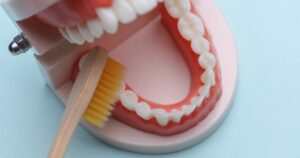
The fitting process for removable tooth replacements typically spans 4-8 weeks from initial consultation to final delivery, depending on the complexity of your case and the type of appliance chosen. Your first appointment involves a comprehensive oral examination, discussion of tooth replacement options, and preliminary impressions of your mouth to create study models. If any preparatory work is needed—such as tooth extractions, cavity fillings, or gum disease treatment—this must be completed before proceeding with appliance fabrication. Once your mouth is healthy, your dentist takes final impressions and bite registrations that capture the precise relationship between your upper and lower jaws. The dental laboratory uses these records to custom-craft the appliance, a process taking 2-4 weeks. At the delivery appointment, your dentist ensures proper fit, makes necessary adjustments, and provides detailed instructions on how to clean partial dentures properly and insert them correctly. Most patients experience a 2-4 week adjustment period during which speech may sound slightly different, and eating requires practice, starting with soft foods. Are partial dentures comfortable to wear once you adapt? Yes—the vast majority of patients report that the appliances feel natural and allow them to eat, speak, and smile confidently throughout daily activities.
| Timeline Stage | Duration & Activities |
|---|---|
| Initial Consultation | Week 1: Examination, treatment planning, preliminary impressions |
| Preparatory Treatment | Weeks 1-3: Extractions, fillings, or gum treatment if needed |
| Final Impressions | Week 3-4: Detailed molds and bite registration taken |
| Laboratory Fabrication | Weeks 4-7: Custom-crafted to specifications |
| Delivery & Adjustment | Week 8+: Final fitting with follow-up visits for refinements |
Restore Your Smile with Custom Partial Dentures at Newport Beach Smile Studio
Choosing the right tooth replacement requires expert guidance from a dental team that understands both the clinical requirements and aesthetic goals unique to your situation. At Newport Beach Smile Studio, our experienced prosthodontists specialize in creating custom partial dentures that look natural, fit comfortably, and restore full function to your smile. We take time during your consultation to evaluate your oral health, discuss the partial denture alternatives comparison, including implants and bridges, and recommend the specific type of appliance that best matches your lifestyle, budget, and long-term dental goals. Our advanced digital impression technology ensures precision fit from the first try, minimizing adjustment appointments and accelerating your path to a confident smile. We work closely with premium dental laboratories to craft appliances using the highest quality materials, whether you choose the durability of cast metal, the affordability of acrylic, or the aesthetics of flexible thermoplastic frameworks. Our practice utilizes state-of-the-art CAD/CAM technology for superior accuracy, and we provide comprehensive follow-up care, including complimentary adjustments during your first year to ensure optimal comfort and function. Patients consistently praise our attention to detail, personalized approach, and commitment to creating restorations that exceed expectations in both appearance and performance. Don’t let missing teeth hold you back from enjoying life’s simple pleasures like eating your favorite foods or smiling freely in photos—schedule your personalized consultation at Newport Beach Smile Studio today and take the first step toward transforming your oral health and confidence with expertly crafted tooth replacement solutions.
FAQs About Partial Dentures
How long do partial dentures last?
Cast metal partial dentures can last 5-10 years or longer with proper care, while acrylic versions typically last 3-5 years. Flexible partial dentures usually last 5-7 years, though longevity depends on oral health changes and maintenance habits.
Are partial dentures comfortable to wear daily?
Modern ones are designed for all-day comfort, though there’s typically a 2-4 week adjustment period. Most patients adapt quickly and report that well-fitted partials feel natural during eating, speaking, and daily activities.
How do I clean partial dentures properly?
Remove and rinse them after eating, brush daily with a soft denture brush and non-abrasive cleaner, and soak overnight in denture solution. Never use regular toothpaste or hot water, which can damage the materials.
What’s the difference between flexible partial dentures and metal frameworks?
Flexible partial dentures use lightweight, gum-colored thermoplastic with no metal clasps, offering superior aesthetics and initial comfort. Metal framework partials provide greater durability, precision fit, and long-term stability, making them ideal for permanent solutions.
Can I eat normally with partial dentures?
Yes, most patients can eat a normal diet with them after the adjustment period. Start with soft foods and gradually introduce harder textures, and avoid extremely sticky or hard foods that could dislodge or damage the appliance.