Professional Teeth Whitening Treatment Options That Actually Work for Your Smile
August 9, 2026
How Much Is a Crown Without Insurance in Newport Beach
August 13, 2026
Dental pain doesn’t wait for convenient office hours. When a toothache wakes you at 3 a.m. or a crown breaks during dinner, discomfort demands immediate attention. When dental pain or injury strikes, the difference between saving a tooth and facing more complex treatment often depends on how quickly you access urgent dental care.
Not every dental issue requires a trip to the emergency room, but some situations call for same-day intervention from a dental professional. In Newport Beach, patients have access to practices equipped to handle everything from emergency toothache relief to same-day procedures, ensuring that pain and anxiety don’t linger longer than necessary.

What Counts as a Dental Emergency vs. Urgent Care
Understanding the distinction between a true medical emergency and an urgent dental situation helps you make the right decision when pain or injury strikes. A dental emergency typically involves uncontrolled bleeding, severe facial swelling that affects breathing or swallowing, or trauma to the jaw that may indicate a fracture. These scenarios warrant a visit to a hospital emergency room, where medical staff can stabilize life-threatening conditions.
Most other painful or distressing dental issues fall into the category of urgent care. This includes severe toothaches that interfere with sleep or daily function, knocked-out or loosened teeth, broken crowns or fillings that expose sensitive tooth structure, and visible signs of infection such as dental abscess symptoms like swelling, fever, or pus drainage. These situations require prompt attention from a dentist—ideally the same day—but don’t necessitate hospital-level intervention. Understanding what qualifies as urgent dental care helps you respond appropriately when pain or injury occurs.
After-hours scenarios require a judgment call. If you experience intense pain but no swelling or bleeding, contact your dental office’s emergency line for guidance. Many practices offer after-hours support to triage your concern and schedule you for the earliest available appointment. If symptoms escalate—such as difficulty breathing, uncontrollable bleeding, or high fever—head to the ER and follow up with your dentist as soon as possible.
Common Urgent Dental Situations and Immediate Steps to Take
Certain dental problems occur frequently enough that seeking urgent dental care quickly can protect your oral health and prevent complications.
- Severe toothache: Over-the-counter pain relievers can provide temporary relief, but avoid placing aspirin directly on gums, as this can cause tissue burns. Contact your dentist to schedule an urgent appointment—persistent pain often signals infection or decay that requires professional intervention.
- Knocked-out tooth: Time is critical when learning how to handle a knocked-out tooth. Pick up the tooth by the crown (never the root), rinse it gently with water if dirty, and try to reinsert it into the socket if possible. If you can’t reinsert it, store it in milk and get to a dentist within 30 minutes for the best chance of successful reimplantation.
- Dental abscess: Swelling, throbbing pain, fever, and a foul taste in your mouth are hallmark symptoms. This infection can spread to other parts of the body if left untreated, so same-day evaluation is essential.
- Broken crown or lost filling: Exposed tooth structure can be extremely sensitive and vulnerable to further damage. Avoid chewing on that side of your mouth and stick to soft foods until your appointment.
What Happens During Your Urgent Dental Visit
Walking into an urgent dental appointment can feel overwhelming, especially when you’re in pain. Understanding what happens during urgent dental care helps ease anxiety and sets clear expectations.
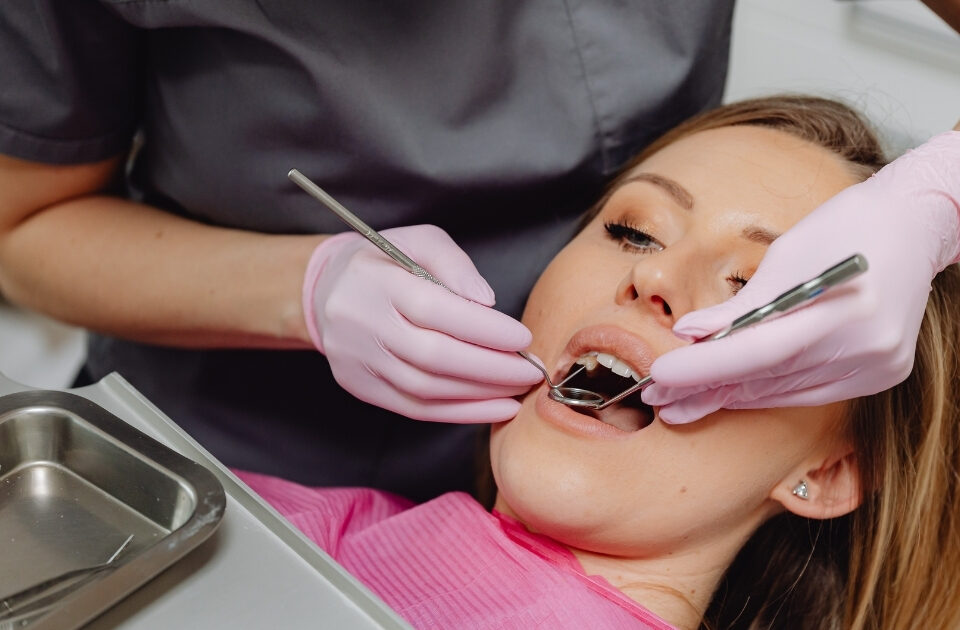
Your dentist will begin with a focused examination of the affected area, asking about your symptoms, when they started, and any recent trauma or changes. Digital X-rays provide a detailed view of the tooth, surrounding bone, and any hidden infection or damage. This diagnostic step is essential—what appears as a simple toothache on the surface may reveal an abscess, cracked root, or advanced decay requiring specific treatment.
Once the issue is identified, your dentist will discuss treatment options and prioritize immediate pain relief. If a same-day tooth extraction is necessary due to severe damage or infection that can’t be resolved with other treatments, your dentist will explain the procedure and aftercare before proceeding.
| Urgent Situation | Typical Same-Day Treatment | Follow-Up Needed |
|---|---|---|
| Severe toothache with visible decay | Pain relief, temporary filling, antibiotics if infected | Permanent filling or crown within 1-2 weeks |
| Knocked-out permanent tooth | Reimplantation and splinting if within 30-60 minutes | Monitoring for 2-3 weeks, possible root canal later |
| Dental abscess with swelling | Drainage, antibiotics, pain management | Root canal or extraction once infection clears |
| Broken crown exposing tooth | Temporary crown or bonding to protect tooth | Permanent crown fabrication and placement |
Some procedures, like urgent root canal treatment, may be started during the visit to relieve pain and remove infection, with completion scheduled for a follow-up appointment. Others, such as simple extractions or temporary restorations, can often be finished the same day. Your dentist will outline a clear treatment plan, including any additional visits required and estimated timelines for full resolution.
The Cost of Emergency Dental Visits: What to Expect
Financial concerns often add stress to an already difficult situation, but most dental practices offer transparent pricing and flexible payment options for urgent dental care. The cost of an emergency dental visit varies based on the complexity of your issue and the treatment required.
A typical emergency exam, including X-rays and diagnosis, generally ranges from $100 to $300 without insurance. If your plan includes dental coverage, emergency exams are often substantially covered, with many plans covering most or all of the exam cost. Treatment costs vary widely: a simple filling may add $150 to $400, while root canals range from $700 to $1,500 depending on the tooth. Extractions can cost between $150 for a simple procedure and $600 or more for surgical removal.
| Procedure | Estimated Cost Without Insurance |
|---|---|
| Emergency exam and X-rays | $100–$300 |
| Temporary filling or crown | $150–$400 |
| Root canal therapy (front tooth) | $700–$1,000 |
| Simple extraction | $150–$300 |
| Surgical extraction | $300–$600 |
When to Call vs. When to Come In
If you’re searching for an after-hours dentist near me at 10 p.m. on a Friday, your first step should be calling your dental office’s emergency line. Many practices provide after-hours phone support to assess your situation and determine whether you need to come in immediately, wait until morning, or manage symptoms at home temporarily. This triage process saves you time and ensures that the most critical cases receive priority attention.

When Pain Strikes, Relief Is Just a Call Away at Newport Beach Smile Studio
Dental emergencies don’t follow a schedule, but your access to urgent dental care shouldn’t be limited by the clock. At Newport Beach Smile Studio, we prioritize same-day appointments for urgent dental care, ensuring that pain, infection, and trauma receive prompt, professional attention. Our team is equipped to handle everything from emergency toothache relief to complex procedures. Whether you’re dealing with a knocked-out tooth, a painful abscess, or a broken restoration, we’re here to help you get back to your life as quickly as possible. Call our office during business hours or use our emergency line after hours to connect with a team that understands the urgency of your situation and is ready to provide the relief you need.
FAQs
Urgent dental situations raise common questions about timing, cost, and what to expect. Here are answers to the concerns we hear most often from patients seeking same-day care.
1. How much does an emergency dental visit cost without insurance?
An emergency exam with X-rays typically costs between $100 and $300 without insurance. Additional treatment costs depend on the procedure—temporary fillings range from $150 to $400, while root canals can cost $700 to $1,500. Many practices offer payment plans or financing options to help manage unexpected expenses.
2. Can I get a same-day tooth extraction if needed?
Yes, same-day extractions are often possible for urgent cases involving severe infection, irreparable damage, or trauma. Your dentist will evaluate the tooth, discuss alternatives, and explain the extraction process before proceeding. Immediate extraction can prevent complications and provide rapid pain relief when other treatments aren’t viable.
3. What should I do if I have a dental emergency after hours?
Call your dental office’s emergency line for guidance—many offices offer after-hours support to assess your situation and provide instructions. If you experience uncontrollable bleeding, difficulty breathing, or severe facial swelling, go to the nearest emergency room. For manageable pain, over-the-counter pain relievers and cold compresses can help until your dentist’s office opens.
4. Is a severe toothache considered a dental emergency?
A severe toothache that interferes with sleep, eating, or daily activities warrants urgent care, especially if accompanied by swelling, fever, or visible pus. These symptoms often indicate infection or advanced decay requiring same-day treatment. Contact your dentist promptly to prevent the issue from worsening or spreading.
5. Do you accept walk-ins for urgent dental care?
While we prioritize urgent cases, calling ahead ensures we can accommodate you as quickly as possible and prepare for your specific needs. Same-day appointments are available for urgent situations, and our team will work to fit you into the schedule promptly. Calling ahead also allows us to provide interim guidance if you need to manage symptoms before arriving.