

Single-Tooth Implant Cost Without Insurance: What Orange County Patients Actually Pay in 2026
May 19, 2026
Do Root Canals Hurt? What Modern Dentistry Actually Feels Like
June 3, 2026
When patients ask this question, the answer requires clinical honesty: the tooth preparation is permanent, but the veneers themselves are not. Understanding this distinction matters because choosing veneers means committing to a long-term relationship with restorative dentistry. This article draws on years of patient outcomes to clarify whether veneers are permanent across three dimensions: the irreversible physical changes to your natural teeth, the lifestyle adjustments that extend or shorten veneer lifespan, and the financial commitment that spans decades.
Most patients considering veneers focus on the immediate aesthetic transformation, but the permanence question deserves deeper exploration. The data from numerous veneer cases reveal patterns that answer this question with nuance: some patients enjoy flawless veneers for 20-plus years, while others require replacement at the 10-year mark. The difference lies in material selection, placement technique, and daily habits. This guide examines real patient trajectories to help you understand whether the permanent commitment aligns with your goals.
The Physical Reality of Veneer Permanence
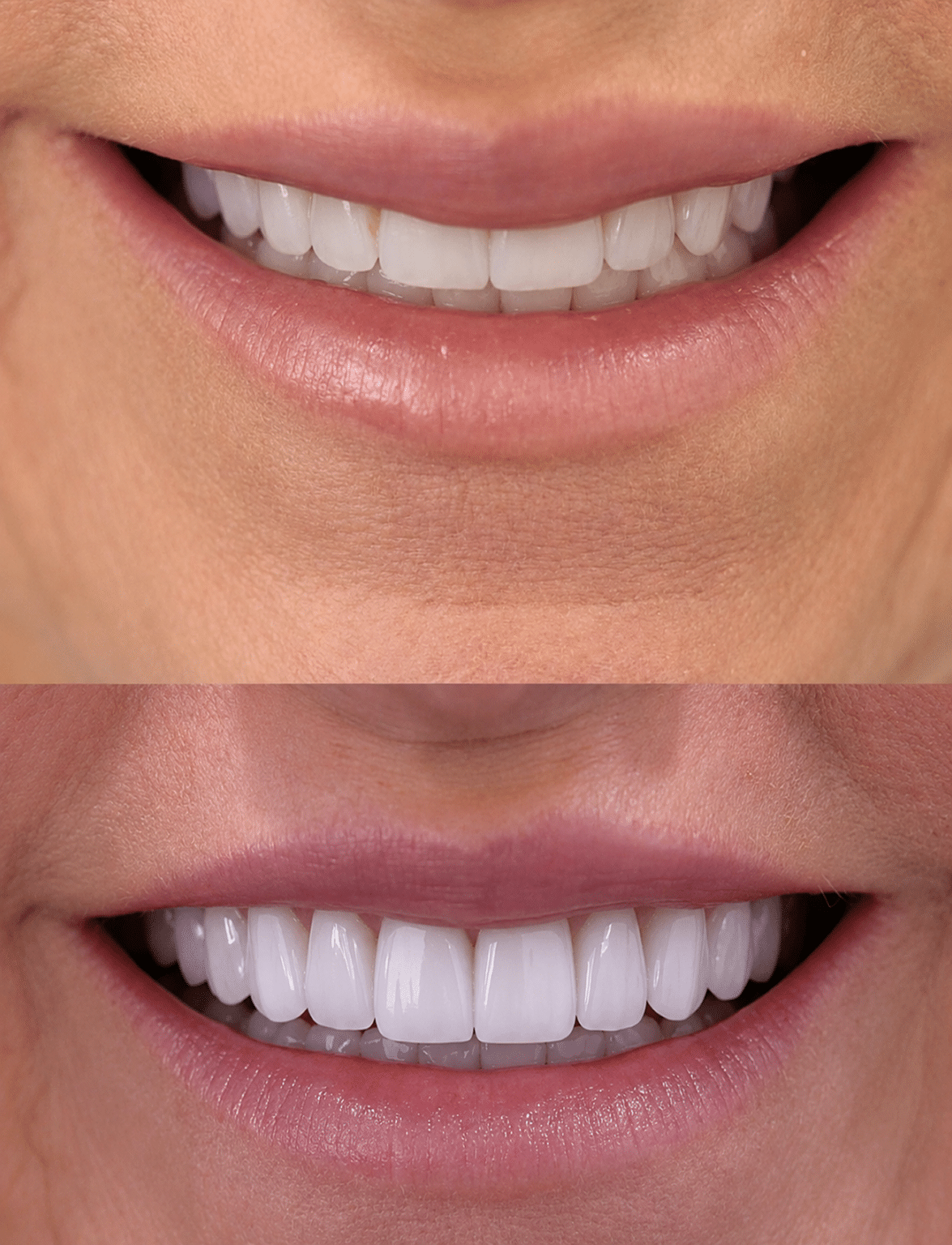
The permanence of veneers begins with tooth preparation. To bond a veneer securely, dentists remove a thin layer of enamel from the front surface of the tooth—typically 0.5 to 0.7 millimeters. This removal is irreversible. Once enamel is gone, it does not regenerate, which means your natural teeth will always require coverage moving forward. Even if you choose to remove veneers later, the underlying tooth structure has been altered and will need some form of restoration, whether a new veneer, a crown, or another cosmetic solution.
This permanent alteration clarifies the permanence question. The enamel removal is controlled and minimal, designed to create the ideal bonding surface. However, it does establish a permanent commitment: you cannot return to your original tooth structure. Patients sometimes ask, “Can veneers be removed?” The answer is yes—veneers can be taken off—but the tooth beneath will not look or function as it did before preparation.
How Long Do Veneers Actually Last in Real Patients
When patients ask, “Are veneers permanent?” they often mean how long do veneers last—and the answer depends on both material quality and patient behavior. Data from years of patient follow-ups reveal that many veneers last well beyond 15 years when patients adhere to maintenance protocols. Conversely, veneers subjected to heavy grinding, acidic diets, or poor oral hygiene may require replacement closer to the 10-year mark.
Patients whose veneers last two decades or more share common behaviors: they wear a nightguard if they grind their teeth, they avoid using their front teeth as tools, and they maintain consistent dental hygiene. Patients who consume highly acidic beverages daily, skip routine cleanings, or engage in contact sports without a mouthguard often see debonding, chipping, or discoloration within 10 to 12 years.
- Nighttime grinding accelerates veneer wear and increases fracture risk—nightguards significantly extend porcelain veneer lifespan in bruxism patients.
- Routine professional cleanings every six months prevent plaque buildup at veneer margins, reducing the risk of decay underneath the restoration.
- Using front teeth to open packages, bite nails, or hold objects creates micro-fractures that compound over years, shortening veneer lifespan.
- Contact sports without a custom mouthguard increase the likelihood of chipping or complete veneer loss from impact trauma.
| Patient Behavior Profile | Average Veneer Lifespan | Primary Longevity Factor |
|---|---|---|
| Nightguard user, low-acid diet, biannual cleanings | 18 to 22 years | Minimal stress on bonding interface |
| Moderate coffee/wine, inconsistent hygiene | 12 to 15 years | Marginal staining and plaque accumulation |
| Untreated bruxism, acidic beverage consumption | 8 to 12 years | Grinding wear and bonding degradation |
| Contact sports, no mouthguard, tobacco use | 7 to 10 years | Trauma risk and aesthetic staining |
What Happens When Veneers Wear Out and Replacement Costs
Understanding what happens when veneers wear out helps patients plan for long-term care: veneers do not fail suddenly. Instead, they show gradual signs of aging that signal the need for replacement. The most common indicator is chipping along the incisal edge, where the biting surface of the veneer meets opposing teeth. Small chips may be polished or bonded, but larger fractures require full replacement. Discoloration at the margins—where the veneer meets natural tooth structure—occurs when the bonding cement degrades or when decay develops underneath. Debonding, where the veneer loosens or detaches entirely, happens when the adhesive interface weakens over time.
The veneer replacement cost varies by material, geographic location, and the number of veneers being replaced. Porcelain veneers typically range from $1,200 to $2,500 per tooth. Replacing a full set of eight to 10 veneers after 15 years represents a significant investment, often between $12,000 and $25,000. However, when calculated on a cost-per-year basis, veneers that last two decades cost $60 to $125 annually per tooth—comparable to other long-term cosmetic investments.
Insurance rarely covers veneer replacement because veneers are considered elective cosmetic procedures. Some dental plans may cover a portion if the veneer was placed to restore function after trauma, but purely aesthetic replacements remain out-of-pocket expenses. Financial planning for veneer maintenance means setting aside funds for eventual replacement.
| Replacement Scenario | Estimated Cost Range | Timeline |
|---|---|---|
| Single veneer replacement due to chipping | $1,200 to $2,500 | 1 to 2 appointments over 2 weeks |
| Full smile replacement (8 veneers) after 15 years | $12,000 to $25,000 | 2 to 3 appointments over 4 weeks |
| Partial replacement (4 veneers) due to discoloration | $6,000 to $10,000 | 2 appointments over 3 weeks |
| Emergency repair for debonded veneer | $200 to $600 (temporary fix) | Same-day or next-day appointment |
Veneer Maintenance Tips That Extend Lifespan
The question of whether veneers are permanent extends to maintenance: proper care transforms a 10-year restoration into a 20-year investment. The most effective veneer maintenance tips focus on protecting the bonding interface and preventing trauma. Brushing twice daily with a non-abrasive toothpaste preserves the polish on porcelain surfaces. Flossing remains essential because decay can develop at the margins where the veneer meets natural tooth structure.
Professional care extends beyond routine cleanings. Dentists who specialize in cosmetic restorations monitor the margins for early signs of wear, decay, or debonding. Catching these issues early allows for minor repairs instead of full replacement. Patients who maintain biannual appointments and address small problems immediately see significantly longer veneer lifespans than those who delay care.
Why Newport Beach Smile Studio Patients See 15-20 Year Veneer Lifespans
At Newport Beach Smile Studio, veneer placement protocols prioritize bonding strength and margin integrity. The practice uses advanced adhesive systems and precise preparation techniques that create durable restorations designed to last decades. The maintenance program provides patients with personalized care plans, including custom nightguards for bruxism patients and detailed guidance on protecting their investment through daily habits.
A Smile That Lasts Decades at Newport Beach Smile Studio
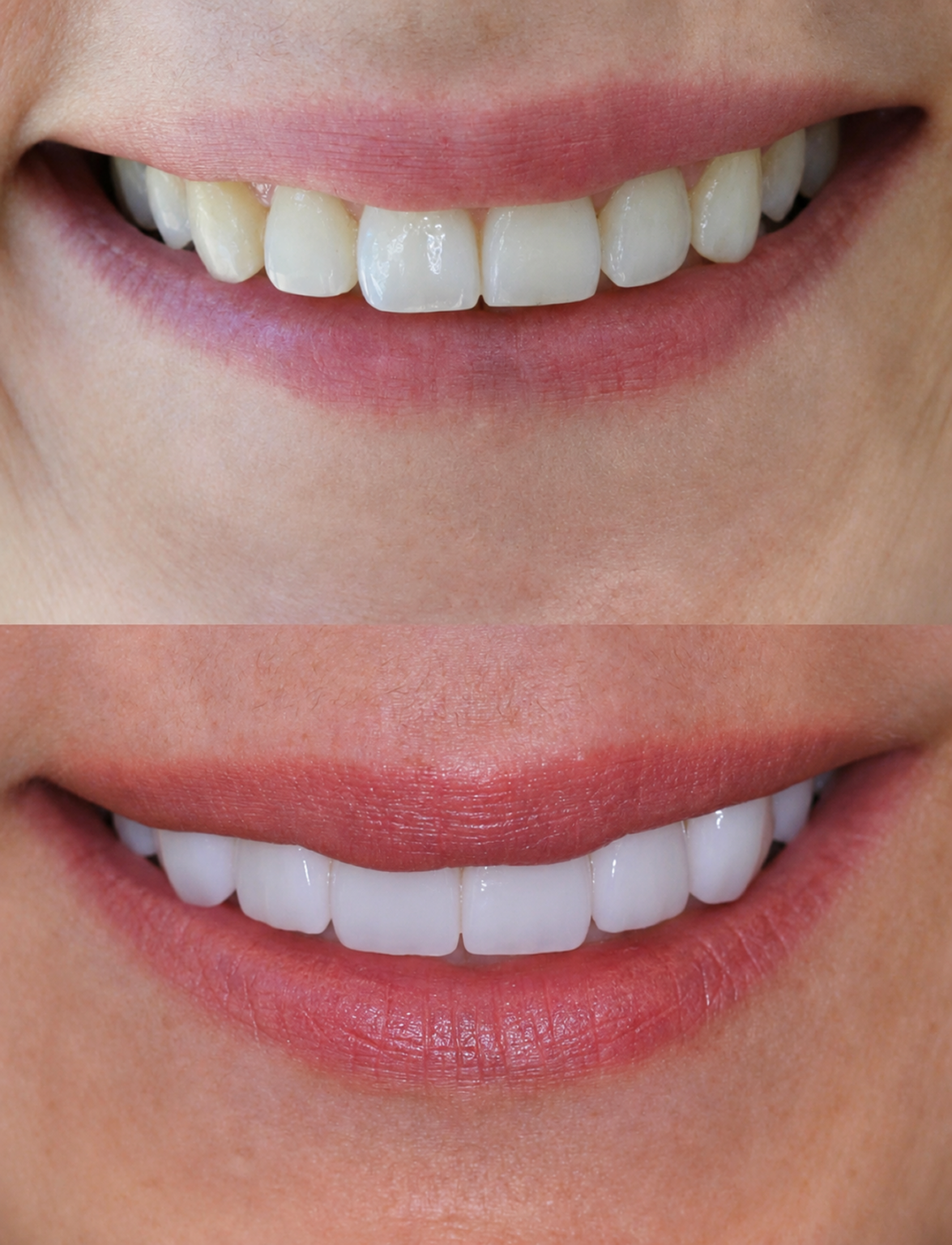
Choosing veneers means committing to a long-term partnership with your dental care team, and understanding whether veneers are permanent requires looking beyond the initial placement. The tooth preparation is irreversible, but the veneers themselves are durable restorations that require eventual replacement. Patients who understand this distinction and invest in proper maintenance enjoy beautiful, functional smiles for 15 to 20 years or more. Those who approach veneers as a one-time procedure without ongoing care often face earlier replacement and higher lifetime costs. At Newport Beach Smile Studio, the focus is on transparent education and long-term outcomes. If you are considering veneers or evaluating whether your current veneers need attention, schedule a consultation to discuss your specific goals and timeline. A comprehensive evaluation will clarify what permanence means for your unique case and help you plan for decades of confident smiles.
FAQs
These frequently asked questions address the most common concerns patients have about veneer permanence, removal, and long-term care.
1. Can veneers be removed once placed?
When patients ask, “Are veneers permanent?” and whether they can be removed, the answer is nuanced: veneers can be removed, but the underlying tooth will not return to its original state because enamel was removed during preparation. Once a veneer is taken off, the tooth requires a replacement restoration—either a new veneer, a crown, or another cosmetic solution. The removal process itself is straightforward, but patients should understand that going back to natural teeth is not an option after the initial preparation.
2. Do veneers damage your teeth permanently?
Veneers do not damage teeth in a harmful way, but the preparation process does involve permanent enamel removal. This alteration is necessary to create a strong bonding surface and achieve natural-looking results. The tooth remains healthy beneath the veneer as long as proper hygiene is maintained and decay is prevented at the margins. The permanent change is structural, not pathological.
3. What is the difference between temporary and permanent veneers?
The distinction between temporary vs permanent veneers is functional, not just semantic. Temporary veneers are provisional restorations worn while the dental lab fabricates the final porcelain veneers. They protect the prepared teeth and allow patients to preview the new smile shape, but they are made from acrylic and lack the strength and aesthetics of permanent veneers. Permanent veneers are custom-crafted from porcelain, bonded with high-strength adhesive, and designed to last 10 to 20-plus years with proper care.
4. How much does it cost to replace veneers after 15 years?
Replacing veneers after 15 years typically costs between $1,200 and $2,500 per tooth in Southern California. A full smile replacement of eight to 10 veneers ranges from $12,000 to $25,000. The cost depends on the material chosen, the complexity of the case, and the dentist’s expertise. Many practices offer financing plans to make replacement more manageable, and calculating the cost per year over the veneer’s lifespan helps patients understand the long-term value.
5. What daily habits help veneers last 20-plus years?
Patients who reach the 20-year mark consistently wear a nightguard if they grind their teeth, avoid using their front teeth as tools, and maintain excellent oral hygiene with twice-daily brushing and daily flossing. They limit acidic beverages, rinse with water after consuming staining drinks, and attend biannual dental cleanings. Protecting veneers during sports with a custom mouthguard and addressing small chips or margin issues immediately also contribute to extended longevity. These habits, combined with high-quality initial placement, allow veneers to remain functional and beautiful for decades.


