

Are Veneers Permanent? What Many Years of Patient Cases Reveal
June 1, 2026
How to Whiten Teeth Based on Your Timeline and Budget
June 5, 2026
Do root canals hurt? Modern root canals with proper anesthesia are not painful. The procedure itself involves numbing the area completely, so patients feel pressure and movement but no sharp pain. What many people fear is based on outdated experiences from decades past, before advances in anesthesia delivery, digital imaging, and precision instruments transformed endodontic care. Today’s techniques prioritize comfort at every stage, from the initial numbing to post-procedure recovery.
The gap between reputation and reality is significant. While an infected tooth before treatment can cause severe throbbing pain, many people asking, “Do root canals hurt?” are surprised to learn the actual procedure relieves that discomfort rather than adding to it. This article explains what you’ll actually feel during and after treatment, how modern pain management works, and why the experience is far more comfortable than most people expect.
What You’ll Actually Feel During a Root Canal Procedure
The numbing process begins with a topical gel applied to your gum tissue, so you won’t feel the initial injection. Once the local anesthetic takes effect—usually within a few minutes—the entire area becomes completely numb. What does a root canal feel like? You’ll sense pressure as the dentist works, similar to someone pressing firmly on your arm. You might feel vibration from the instruments or a gentle tugging sensation, but these are mechanical sensations without pain.
Comparing this to other dental work helps set realistic expectations. The level of sensation during a root canal is comparable to having a cavity filled or undergoing a deep cleaning. The psychological component matters here—anticipating pain can make you hyper-aware of every sensation, interpreting neutral pressure as discomfort. Communicating with your dentist throughout the procedure helps immediately address any area that needs additional numbing.
Root Canal Pain Levels: Before, During, and After Treatment
Understanding the pain timeline helps separate myth from reality. The infected tooth before treatment typically causes the most intense discomfort—a deep, throbbing ache that worsens with temperature changes or chewing. This pre-procedure pain is often severe for patients seeking emergency care. The procedure itself, with proper anesthesia, registers at 0 to 1 for most people. Root canal recovery pain is mild soreness that peaks within 24 hours and fades over 2 to 3 days, responding well to over-the-counter medication.
Recovery is usually straightforward, but knowing what’s normal helps you stay ahead of it:
- Manage soreness early. Take an over-the-counter anti-inflammatory like ibuprofen as directed before the numbness fully wears off, rather than waiting for discomfort to build.
- Ease pressure on the tooth. Chew on the opposite side and stick to softer foods for the first day or two while the area settles.
- Expect a “bruised” feeling, not sharp pain. Mild tenderness around the tooth and jaw is normal and fades daily — it should feel nothing like the original infection.
- Protect the temporary restoration. Avoid sticky or hard foods until your permanent filling or crown is placed, so the seal stays intact.
- Know when to call. Pain that worsens after day 3, swelling, fever, or a bite that suddenly feels “high” or uneven warrants a follow-up — these are uncommon but worth a quick check.
Is a root canal painful with anesthesia? The answer is no for the vast majority of patients. Anesthesia techniques have advanced significantly, with computer-assisted delivery systems that control the flow rate and pressure of the numbing agent. This precision reduces the burning sensation some people remember from older injection methods. Dentists can also layer anesthesia, adding more if you signal any sensitivity during the procedure.
| Treatment Phase | Typical Pain Level | What It Feels Like |
|---|---|---|
| Infected tooth before treatment | Severe | Deep throbbing, sharp pain with temperature or pressure |
| During procedure with anesthesia | None to minimal | Pressure, vibration, no sharp pain |
| First 24 hours after treatment | Mild | Tenderness when chewing, mild jaw soreness |
| Days 2-3 post-procedure | Minimal | Fading sensitivity, normal function returning |
Modern Pain Management Techniques That Make Root Canals Comfortable
Digital imaging has transformed how dentists approach the procedure. Cone beam CT scans provide three-dimensional views that allow precise planning, reducing procedure time. Shorter procedures mean less time with your mouth open and faster recovery. Rotary instruments—electric handpieces with nickel-titanium files—clean and shape the root canals more efficiently than manual files, with smoother motion that patients find less jarring.
Precise anesthesia delivery systems use computer control to regulate injection speed and pressure. This technology reduces the stinging sensation and ensures even distribution of the numbing agent. For patients with dental anxiety, sedation options range from nitrous oxide (laughing gas) to oral sedation pills taken before the appointment. Nitrous oxide creates a relaxed, slightly euphoric feeling while you remain awake and responsive. Oral sedation produces deeper relaxation, with some patients remembering little of the procedure afterward.
Managing root canal discomfort also involves communication during treatment. Dentists establish hand signals before starting—raising your hand means you need a break or more numbing. This control reduces anxiety because you know you can pause the procedure at any time.
Root Canal vs Tooth Extraction Pain
Comparing these procedures helps contextualize the experience. Extractions involve more force and tissue trauma—the tooth must be loosened from the bone and ligaments, then removed entirely. This creates more post-procedure swelling and soreness than a root canal, where the tooth structure remains intact. Recovery from an extraction typically takes 5 to 7 days, compared to 2 to 3 days for a root canal. Additionally, saving your natural tooth through root canal therapy preserves bone structure and eliminates the need for replacement options like implants or bridges.
| Comparison Factor | Root Canal | Tooth Extraction |
|---|---|---|
| Procedure duration | 60-90 minutes | 20-40 minutes (simple extraction) |
| Post-procedure swelling | Minimal to none | Moderate, peaks at 48 hours |
| Recovery timeline | 2-3 days | 5-7 days |
| Long-term outcome | Natural tooth preserved | Tooth replaced or gap remains |
Addressing Dental Anxiety Beyond Physical Pain
Are root canals as bad as people say? The reputation stems from experiences before modern anesthesia and technology became standard. Stories passed down from parents or grandparents reflect a different era of dentistry. Today’s reality is far more comfortable, but anxiety persists because fear of dental procedures often develops in childhood and becomes deeply ingrained.
Recognizing that anxiety is a legitimate barrier to care is important. Many people avoid necessary treatment because they fear pain more than they fear losing the tooth. This avoidance can lead to worsening infection, abscess formation, and eventually more complex treatment. Discussing your anxiety openly with your dentist allows the team to tailor the experience—offering sedation, scheduling longer appointment times so you don’t feel rushed, or explaining each step before it happens.
Breathing techniques help during the procedure. Slow, deep breaths through your nose activate your parasympathetic nervous system, which counteracts the fight-or-flight response. These strategies work alongside anesthesia to make the experience manageable.
Getting to the Root of Comfort at Newport Beach Smile Studio
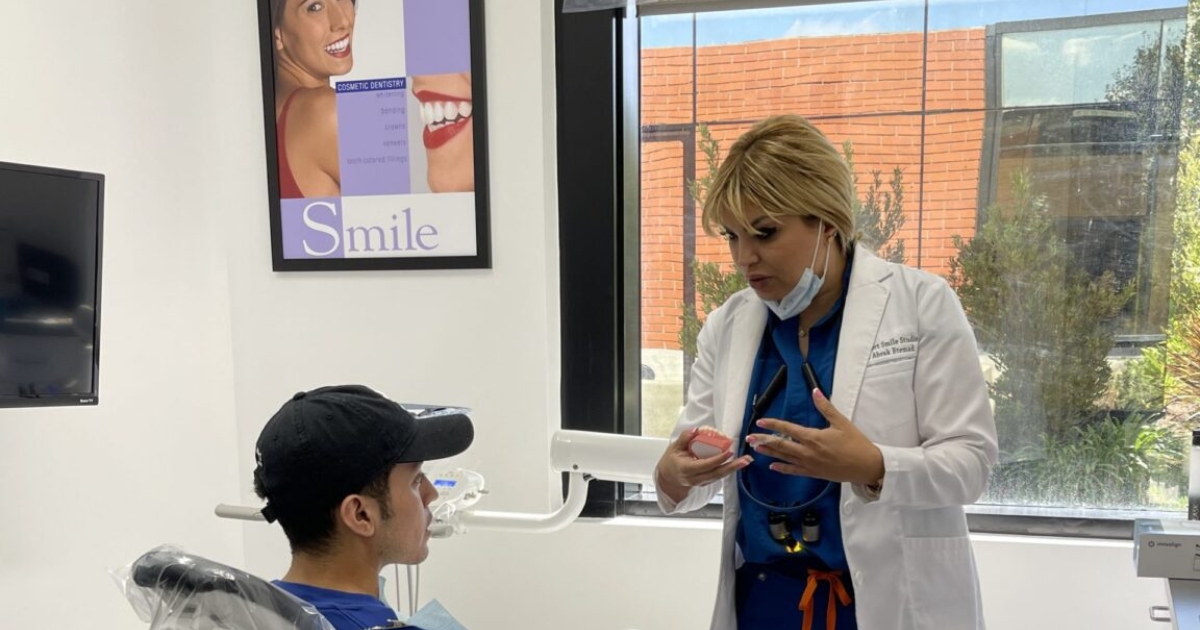
At Newport Beach Smile Studio, patient comfort drives every aspect of care. The practice uses advanced digital imaging to plan precise, efficient procedures that minimize time in the chair. Sedation options are discussed during your consultation, ensuring you feel in control of your experience. The team understands that dental anxiety is real and valid, and they prioritize creating a calm, supportive environment where you can ask questions and express concerns without judgment. Schedule a consultation to discuss how modern techniques have transformed root canal therapy. Saving your natural tooth is possible with far less discomfort than you might expect, and the team at Newport Beach Smile Studio is committed to making that process as comfortable as possible.
FAQs
These are the most common questions patients ask when considering root canal treatment. Understanding what to expect helps reduce anxiety and allows you to make informed decisions about your dental care.
1. Is a root canal more painful than a tooth extraction?
Most patients report that root canals involve less pain than extractions, both during and after the procedure. Extractions require more force and tissue disruption, leading to greater swelling and longer recovery times. Root canals preserve your natural tooth with minimal post-procedure soreness that typically resolves within 2 to 3 days.
2. How long does root canal pain last?
Mild soreness usually peaks within the first 24 hours and fades over the next 2 to 3 days. Over-the-counter pain relievers like ibuprofen manage this discomfort effectively for most people. Severe or worsening pain beyond 3 days is uncommon with modern techniques and should prompt a follow-up call to your dentist.
3. What does root canal pain feel like with anesthesia?
You’ll feel pressure and movement as the dentist works, but no sharp pain. The area is completely numb, similar to the sensation during a cavity filling. Some patients describe a vibration from the instruments or a gentle tugging, but these are mechanical sensations without discomfort.
4. Are root canals really as bad as people say?
No—the reputation comes from outdated experiences before modern anesthesia and technology became standard. Today’s procedures use precise numbing techniques, digital imaging, and efficient rotary instruments that make root canals routine and comfortable. Most patients are surprised by how manageable the experience is compared to what they expected.
5. What can I do if I’m terrified of root canal pain?
Discuss sedation options with your dentist, including nitrous oxide or oral sedation that helps you relax during the procedure. Ask detailed questions about each step so you know what to expect, and establish hand signals for pausing if you need a break. Remember that managing your anxiety is part of quality dental care, and your comfort matters to the treatment team.