
Do Root Canals Hurt? What Modern Dentistry Actually Feels Like
June 3, 2026
Slightly Chipped Tooth: What Needs Urgent Care and What Can Wait
June 7, 2026
You’ve got a wedding in three weeks, a job interview next Monday, or simply want to feel more confident in photos. Whatever your reason, you’re looking for a way to brighten your smile—and you want to know which approach will actually deliver results without wasting time or money.
This guide walks you through the framework dental professionals use when recommending whitening treatments. You’ll learn how to assess your stain type, match a method to your timeline, weigh cost against results, and navigate sensitivity concerns.
What Tooth Discoloration Reveals About Your Whitening Options
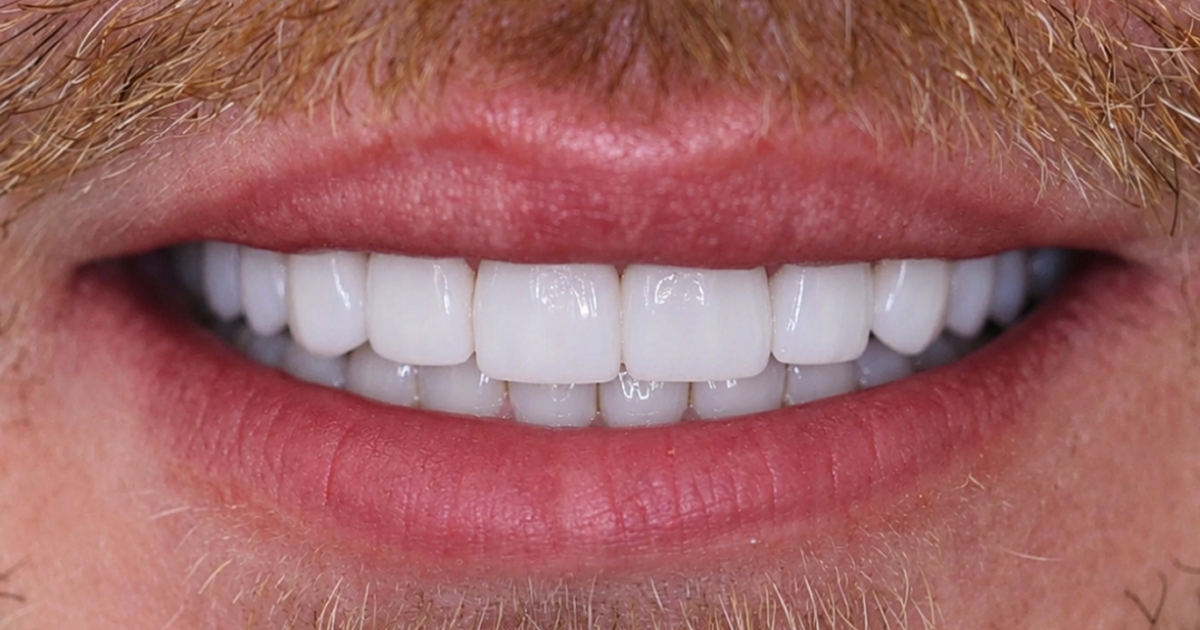
Not all stains respond equally to whitening treatments. What causes tooth discoloration determines which methods will work to whiten teeth effectively—and which will leave you frustrated. Dental professionals categorize stains into two types: extrinsic and intrinsic. Intrinsic stains form inside the tooth—often from aging, certain medications like tetracycline, excessive fluoride during childhood, or trauma. These require more aggressive treatment and may not lighten as dramatically.
Understanding your stain type sets realistic expectations. Extrinsic stains from lifestyle habits typically lighten several shades with consistent treatment. Intrinsic stains may improve modestly but rarely achieve the dramatic transformation seen in before-and-after photos. A professional assessment predicts how much improvement is possible for your specific discoloration.
Teeth Whitening Methods Compared: Timeline, Cost, and Results
Teeth whitening methods vary widely in speed, cost, and effectiveness. Professional in-office treatments deliver the fastest and most dramatic results—typically lightening teeth three to eight shades in a single 60- to 90-minute session. Dentists use high-concentration hydrogen peroxide or carbamide peroxide gels (often 25-40% concentration) combined with LED or laser activation to accelerate the bleaching process. This option works best for extrinsic stains, time-sensitive events, and patients who want to whiten teeth immediately under professional supervision.
At-home professional trays—custom-fitted by your dentist—offer a middle ground. You wear trays filled with lower-concentration gel (10-20% carbamide peroxide) for 30 minutes to several hours daily over two to four weeks. Results rival in-office treatments when used consistently, and the gradual approach often causes less sensitivity.
Over-the-counter strips and trays provide convenience and affordability but require patience. Whitening toothpastes ($5 to $15) remove only surface stains and take four to six weeks of twice-daily use to show subtle improvement. They maintain existing whiteness rather than dramatically lighten teeth.
Natural methods like oil pulling, baking soda, or activated charcoal generate significant online buzz but lack strong clinical evidence. These approaches work best as maintenance strategies after professional whitening rather than primary whitening methods. To get whiter teeth naturally with measurable results, focus on stain prevention: drink staining beverages through a straw, rinse after meals, and maintain excellent oral hygiene.
| Method | Timeline to Results | Longevity |
|---|---|---|
| In-office professional | Same day (1-2 hours) | 6-24 months |
| Custom take-home trays | 2-4 weeks | 6-18 months |
| OTC strips | 1-2 weeks | 3-6 months |
| Whitening toothpaste | 4-6 weeks | Ongoing maintenance only |
Professional Teeth Whitening vs At Home: Which Delivers Better Value?
The professional vs at-home debate hinges on your definition of value. In-office treatments cost more upfront but deliver immediate, dramatic results with professional supervision—ideal when time matters. Custom take-home trays require patience but offer comparable results at lower cost, with the flexibility to touch up results indefinitely by purchasing refill gel. For patients seeking the most cost-effective long-term solution, custom trays win—the initial investment pays dividends through years of touch-up capability. This approach also works well for teeth whitening for sensitive teeth when using desensitizing gel formulations.
How to Choose the Best Whitening Option for Your Situation
Your timeline drives the decision more than any other factor. If you have an event in less than two weeks, professional in-office treatment is your only reliable option for visible results. If you’re simply maintaining a brighter smile without a deadline, OTC strips or whitening toothpaste may suffice—especially if you’ve had professional treatment in the past and want to preserve those results.
Budget considerations should factor in cost per result, not just upfront price. The best way to remove teeth stains and whiten teeth depends on whether you value speed and intensity or gradual, budget-friendly progress.
Sensitivity concerns shift the equation toward professional teeth whitening vs at home options that include desensitizing agents. Dentists can apply protective barriers to gum tissue, use lower-concentration gels over longer periods, and recommend potassium nitrate or fluoride treatments to reduce discomfort. If you’ve experienced sensitivity with store-bought products, professional supervision allows you to achieve results without pain. Some patients alternate whitening days with desensitizing gel days to build tolerance gradually.
How long does teeth whitening last? Maintenance extends how long teeth whitening lasts regardless of method. Use a straw for coffee, tea, and red wine. Brush within 30 minutes of consuming staining substances. Schedule touch-up treatments every six to 12 months—either a single in-office session or a few days of custom tray use. Patients who follow these protocols often extend results by six months or more.
- For mild sensitivity: Use custom trays with 10% carbamide peroxide every other day instead of daily.
- For moderate sensitivity: Apply desensitizing gel (potassium nitrate) for 10 minutes before whitening sessions.
- For severe sensitivity: Request professional application of protective barriers on gum tissue before in-office treatment.
- Post-treatment sensitivity: Avoid extremely hot or cold foods for 24-48 hours; use sensitivity toothpaste twice daily.
| Your Situation | Recommended Method | Why It Works |
|---|---|---|
| Event in under 2 weeks | In-office professional | Only method delivering visible results in that timeframe |
| Flexible timeline, want dramatic results | Custom take-home trays | Professional-grade outcomes at lower cost with less sensitivity |
| Mild surface stains, budget under $50 | OTC whitening strips | Affordable option for modest improvement on extrinsic stains |
| Sensitive teeth, history of discomfort | Professional trays with desensitizing gel | Custom fit prevents gum contact; lower concentration reduces pain |
| Maintaining previous whitening | Whitening toothpaste + periodic strips | Prevents new stains without repeated professional treatment |
Why Are My Teeth Yellow Despite Good Hygiene?
Many patients maintain excellent oral hygiene yet still struggle with discoloration. Genetics determine baseline enamel thickness and translucency—thin enamel reveals more of the naturally yellow dentin beneath. Aging thins enamel further, making this effect more pronounced over time. Certain medications, particularly tetracycline antibiotics taken during childhood, cause permanent intrinsic staining that brushing cannot address. Excessive fluoride exposure during tooth development creates white or brown spots that don’t respond to standard whitening.
Shine Brighter at Newport Beach Smile Studio
Choosing the right whitening approach starts with understanding your unique stain type, timeline, and sensitivity profile—and that’s exactly what we assess during a complimentary consultation at Newport Beach Smile Studio. Our team evaluates your current shade, identifies whether you’re dealing with extrinsic or intrinsic discoloration, and creates a personalized treatment plan that fits your schedule and budget. Whether you need same-day results for an upcoming event or prefer a gradual approach with custom trays, we guide you toward the most effective option for your goals. We also offer desensitizing protocols for patients with sensitive teeth, ensuring you achieve a brighter smile without discomfort. Contact us today to schedule your free whitening consultation and discover which method will deliver the results you’re looking for.
FAQs
These are the most common questions patients ask when deciding how to whiten teeth effectively and safely.
1. How can I get whiter teeth naturally, and do home remedies actually work?
Natural methods like oil pulling, baking soda, and activated charcoal can remove some surface stains, but they won’t change intrinsic tooth color or deliver dramatic results. Baking soda used occasionally (once or twice weekly) helps maintain brightness after professional treatment, but daily use can wear down enamel. The most effective natural approach focuses on prevention: drinking staining beverages through a straw, rinsing after meals, and maintaining excellent oral hygiene to prevent new discoloration from forming.
2. What causes tooth discoloration that won’t respond to whitening treatments?
Intrinsic stains—those formed inside the tooth structure—often resist standard whitening. Tetracycline antibiotics taken during childhood cause deep gray or brown banding that bleaching agents can’t fully remove. Excessive fluoride during tooth development creates white or brown fluorosis spots that don’t lighten with peroxide-based treatments. Aging naturally thins enamel, revealing more of the yellowish dentin beneath—a structural issue rather than a stain. For these cases, cosmetic bonding or porcelain veneers provide better aesthetic outcomes than whitening alone.
3. What is the best way to remove teeth stains based on the type of discoloration I have?
Extrinsic stains from coffee, wine, or tobacco respond well to professional in-office treatments or custom take-home trays, which use higher-concentration bleaching agents to penetrate enamel. Intrinsic stains require more aggressive professional intervention—sometimes multiple in-office sessions—and may only lighten partially. Gray-toned stains (often from tetracycline or trauma) are particularly stubborn and may need alternative cosmetic solutions. A professional assessment identifies your stain type and predicts realistic outcomes before you invest in treatment.
4. Does whitening damage enamel or cause permanent sensitivity?
When used correctly, whitening treatments do not damage enamel. Sensitivity during treatment is common but usually temporary, resolving within a few days after you stop whitening. Overuse of whitening products—especially high-concentration gels used too frequently—can lead to prolonged sensitivity or gum irritation. Professional supervision ensures you use appropriate concentrations for safe durations. Desensitizing toothpastes containing potassium nitrate or fluoride treatments applied by your dentist can minimize discomfort during and after treatment.
5. How do I maintain whitening results and prevent new stains from forming?
Avoid staining foods and beverages for 48 hours after treatment when enamel pores remain open and most susceptible to discoloration. Drink coffee, tea, and red wine through a straw to minimize contact with front teeth. Brush within 30 minutes of consuming staining substances, or at least rinse with water. Use whitening toothpaste once or twice weekly (not daily) to maintain brightness without excessive abrasion. Schedule touch-up treatments every six to 12 months—either a single in-office session or a few days with custom trays. Patients who follow these maintenance protocols often extend their results by six months or more compared to those who don’t adjust their habits.